
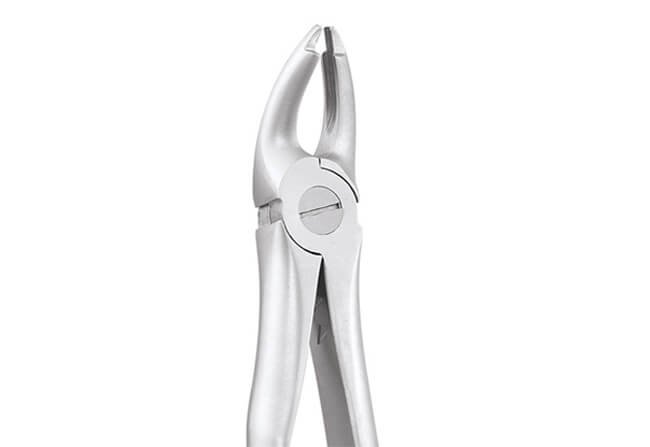
The upper premolar is one of the key teeth in the human dental arch, playing an important role in the function and efficiency of the chewing process. Premolars, also known as bicuspids, are located between the canine teeth and the molars. They are designed for grinding and tearing food, which makes them essential for breaking down food into smaller pieces before it is swallowed and digested. In the upper jaw, there are two premolars on each side, one on the left and one on the right. These teeth are present in both the maxillary first and second premolar positions.
Upper premolars typically have two cusps, though the shape and number can vary. These cusps are the pointed projections on the surface of the tooth, which help in crushing and grinding food. The upper first premolar usually has two roots, one buccal (towards the cheek) and one palatal (towards the roof of the mouth). The second upper premolar, on the other hand, typically has a single root but may still exhibit some variations in root structure. The roots of these teeth house the nerves and blood vessels and are important for the overall health of the tooth.
The crown of an upper premolar is wider and more rounded than that of the canine tooth, allowing for the grinding and crushing action needed for food processing. The upper premolars typically emerge in the mouth around the age of 10 to 11 years. The first upper premolar comes in earlier than the second premolar, which typically erupts around the age of 10 to 12 years.
Anatomically, the upper premolar has a relatively flat occlusal surface, which is the part of the tooth that comes into contact with other teeth during chewing. The surface is divided into cusps by fissures, grooves, and ridges. These features help the tooth engage with the opposing teeth in the dental arch, allowing for efficient food processing.
In terms of function, the upper premolars serve several purposes. They assist in tearing and crushing food, particularly when it is too tough to be broken down by the molars alone. The premolars also help in maintaining the overall alignment of the teeth and the bite. If a premolar is lost or damaged, it can have a significant impact on the person’s bite and their ability to chew food properly, which can lead to discomfort and other dental issues.
Proper care and maintenance of the upper premolars, like all teeth, are crucial for long-term oral health. Regular brushing, flossing, and dental checkups can help prevent cavities, gum disease, and other dental problems. Premolars, like molars, are more prone to decay due to their location and function in food grinding, so extra attention to cleaning is important.
In conclusion, the upper premolars play a vital role in both the anatomy of the mouth and the function of chewing. They provide necessary support for food breakdown and assist with overall oral health. Understanding the structure, function, and care of these teeth is essential for maintaining a healthy and functional smile.


Reviews
There are no reviews yet.