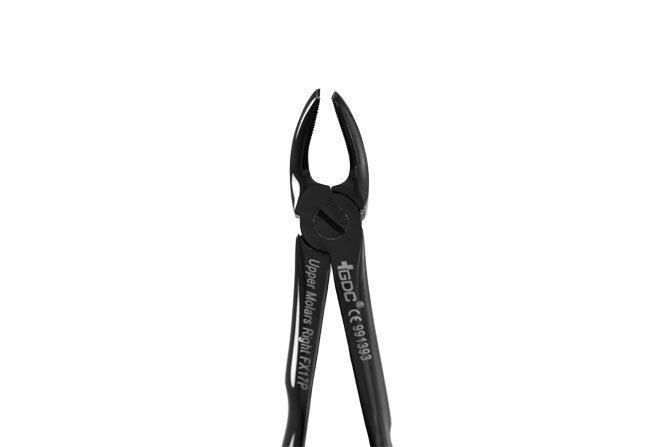
The term “Upper Molar Right” refers to the upper-right set of molars in the human mouth, which are located in the upper right quadrant. These molars are part of the broader set of teeth that serve a crucial role in chewing and grinding food, allowing for proper digestion and nourishment. To understand the Upper Molar Right better, it’s helpful to break down the anatomical, functional, and clinical aspects of these teeth.
Anatomical Overview
The human mouth typically contains 32 teeth, including four molars on each side of the mouth. The molars are the largest and strongest teeth, designed for grinding food. On the right side of the upper jaw, there are three molars: the first molar, second molar, and third molar (also known as the wisdom tooth). These are situated towards the back of the mouth and are positioned behind the premolars.
The first upper right molar is located closest to the center of the mouth and is generally the largest. The second upper right molar is positioned further back and has a similar shape but smaller than the first. The third upper right molar, or wisdom tooth, is located furthest back and may not be present in all individuals. These molars have broad, flat surfaces with multiple cusps designed to grind and crush food.
Function and Importance
Molars play a critical role in the process of mastication, or chewing. They break down food into smaller, more easily digestible pieces, aiding in the digestive process. The flat surfaces of molars provide the necessary grinding power to turn food into a consistency that can be processed by the stomach and intestines.
The upper molars on the right side, in particular, work in tandem with the molars on the left side to achieve effective chewing. This coordination allows for the efficient breakdown of food, and any dysfunction or issue with the upper right molars can impact a person’s ability to eat properly.
Common Dental Issues
Like all teeth, the upper molars on the right side can experience various dental issues. Tooth decay is a common problem for molars, especially if they are not cleaned thoroughly. The large surface areas and grooves in molars can trap food and bacteria, leading to cavities if not properly cared for.
Additionally, wisdom teeth (third molars) often cause problems. These teeth may not emerge properly, leading to impaction, infection, or pain. In such cases, individuals may need to have their wisdom teeth removed.
Another common issue is gum disease, which can affect the surrounding gum tissue of the upper molars. Gingivitis and periodontitis can lead to pain, swelling, and even tooth loss if left untreated.
Conclusion
The upper molars on the right side of the mouth play an essential role in chewing and digestion. They are crucial for breaking down food into smaller pieces, contributing significantly to overall health and nutrition. However, they are susceptible to dental issues such as cavities, gum disease, and impacted wisdom teeth. Regular dental check-ups and good oral hygiene practices are key to maintaining the health and function of these important teeth.


Reviews
There are no reviews yet.