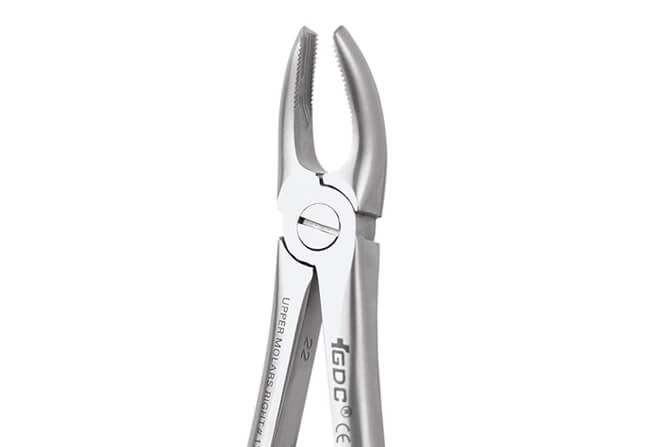
The Upper Molar Right No. 17P is a specialized dental product designed to assist dental professionals in addressing a variety of restorative and prosthetic needs for patients. This product is particularly useful for patients who require a replacement for their upper right molar, which is typically located in the back of the mouth on the upper jaw. The No. 17P refers to a specific tooth identification code used in dental charts to help precisely identify the location of the tooth, in this case, the upper right molar.
Function and Purpose
The primary function of the Upper Molar Right No. 17P is to restore the proper function and aesthetics of a patient’s dentition after tooth loss or damage. This product is usually part of a dental crown, implant, or bridge restoration procedure, allowing for better chewing, speaking, and overall oral function. It can also serve as a vital part of full mouth rehabilitations or implant-supported restorations, ensuring that patients can regain optimal oral health and comfort.
Design and Material
The Upper Molar Right No. 17P is crafted with precision to match the natural contours and dimensions of the upper right molar. Dental manufacturers typically use durable materials such as porcelain, zirconia, or metal alloys, depending on the specific needs of the patient and the nature of the dental procedure. Porcelain or zirconia is often chosen for its aesthetic qualities, as these materials closely resemble the natural tooth structure in color, texture, and translucency, offering a highly realistic look.
On the other hand, metal-based crowns or implants are preferred for their strength and longevity, especially in areas of the mouth that experience heavy biting forces, like the molars. This ensures that the Upper Molar Right No. 17P can withstand the daily pressures of chewing and grinding while remaining secure and functional.
Applications and Procedure
The Upper Molar Right No. 17P is commonly used in several restorative dental treatments. One of the most common uses is in implant restorations. When a patient loses their upper right molar, a dental implant may be placed in the jawbone to serve as a foundation for a crown or bridge. The No. 17P crown or restoration is then placed on top of the implant, helping to restore both form and function.
In addition to implant restorations, the Upper Molar Right No. 17P is frequently employed in dental bridges. If a patient is missing more than one tooth in the back of the mouth, a bridge can be fabricated to span the gap. The No. 17P will be the supporting element in the bridgework, replacing the missing molar and ensuring that the dental bridge is properly anchored.
The process of restoring the Upper Molar Right No. 17P involves several steps. Initially, the dentist will assess the condition of the patient’s oral health, including the bone density of the jaw and the alignment of surrounding teeth. An impression or scan will be taken to create a customized product that fits the patient’s anatomy. The dentist may then place the restoration using either direct bonding or the assistance of an implant post or bridge structure.
Benefits and Patient Considerations
The Upper Molar Right No. 17P offers numerous benefits to patients, especially those who have experienced the loss of a molar. These benefits include improved chewing ability, oral health, and aesthetics. It helps in distributing biting forces evenly across the dental arch, preventing undue stress on neighboring teeth. Additionally, restoring the molar can prevent further dental issues, such as tooth migration or jawbone deterioration.
Patients considering the Upper Molar Right No. 17P should discuss their dental needs with a professional to determine the best material and approach for their situation. Factors such as age, overall health, and the condition of surrounding teeth can influence the choice of material and procedure.
In conclusion, the Upper Molar Right No. 17P is a critical dental product that restores the function and appearance of a missing or damaged upper right molar, enhancing the patient’s quality of life and oral health.


Reviews
There are no reviews yet.