
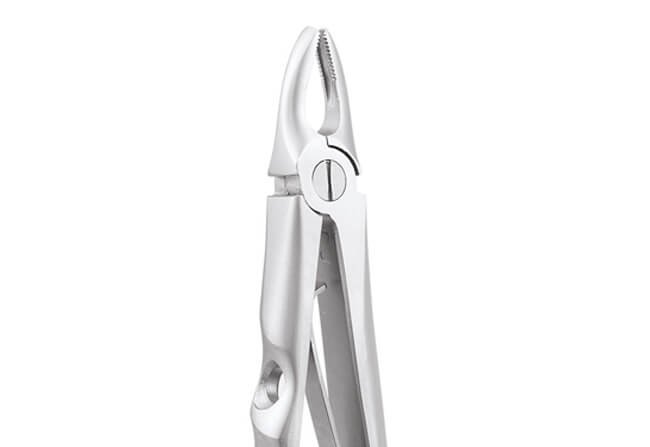
“Upper Anterior” is a term commonly used in various fields, such as anatomy, dentistry, and even architectural design. Its meaning can vary slightly depending on the context, but it generally refers to the upper part of a structure that is positioned in front. In this explanation, we will focus on the anatomical and dental interpretations of “upper anterior” and explore their significance.
In human anatomy, “upper anterior” typically refers to the front section of the upper body. The term is often used in reference to the upper part of the chest, the face, or even specific areas like the upper limbs, depending on the body region being described. For example, in describing the upper torso, the “upper anterior” area would include the region from the shoulders down to the chest, extending toward the front of the body. This might include the clavicle (collarbone), sternum (breastbone), and parts of the ribs. These areas are crucial for respiratory and circulatory functions, as they house vital organs like the lungs, heart, and major blood vessels. In a clinical setting, understanding the “upper anterior” anatomy helps healthcare professionals accurately describe symptoms, perform assessments, and diagnose conditions.
In dentistry, “upper anterior” refers to the teeth located in the upper part of the mouth, specifically the front teeth. These teeth include the central incisors, lateral incisors, and canines, all of which play important roles in both aesthetics and function. The upper anterior teeth are critical for biting, cutting, and tearing food. In addition, they are key to a person’s smile and facial appearance, making them a focus in cosmetic dentistry. Misalignments, discoloration, or damage to these teeth can have significant effects on both function and self-esteem. Orthodontic treatments, such as braces, and restorative procedures, like veneers or crowns, are often used to address issues related to the upper anterior teeth.
Cosmetic dentists pay particular attention to the upper anterior teeth when designing treatments that enhance a person’s smile. A beautiful smile often involves the careful shaping and alignment of these front teeth to create symmetry and balance with the rest of the face. In addition to their aesthetic importance, the upper anterior teeth are vital for proper occlusion, or the way the upper and lower teeth meet. Any dysfunction in this area can lead to problems such as difficulty chewing, jaw pain, or even temporomandibular joint (TMJ) disorders.
Understanding the structure and function of the upper anterior region, whether in the context of human anatomy or dentistry, is essential for diagnosing, treating, and improving overall health. Whether addressing structural concerns in the chest or facial appearance in dental care, the “upper anterior” region is fundamental in both medical and aesthetic fields. Through careful attention and treatment, this area contributes significantly to overall well-being, comfort, and appearance.


Reviews
There are no reviews yet.