A Trauma Kit is a critical component in emergency response, designed to provide essential medical supplies to treat severe injuries in situations where immediate medical assistance is not available. These kits are often used by first responders, medical professionals, military personnel, outdoor enthusiasts, and anyone involved in situations where traumatic injuries might occur. The primary purpose of a trauma kit is to stabilize a person until they can receive further medical care.
The contents of a trauma kit can vary depending on the intended use, but most kits are equipped with tools to manage the most common and serious types of trauma. Basic trauma kits usually contain items like bandages, gauze, and antiseptic wipes to handle cuts and abrasions. However, more advanced kits are stocked with supplies for managing life-threatening injuries, such as massive bleeding, airway obstruction, or shock.
One of the most important features of a trauma kit is its ability to control bleeding. Hemostatic agents—such as hemostatic gauze, which helps stop bleeding by promoting clotting—are often included. Tourniquets are also crucial in cases of severe limb trauma, as they can effectively stop the flow of blood to a limb and prevent the person from going into shock due to blood loss. The kit may also include pressure bandages, which are used to apply direct pressure to a wound to control bleeding.
For airway management, many trauma kits include airway adjuncts, such as nasopharyngeal airways (NPAs) or oropharyngeal airways (OPAs), which help keep the airway open in unconscious or semi-conscious individuals. In addition, CPR face shields or masks are often included for performing cardiopulmonary resuscitation (CPR) without direct contact with the casualty’s mouth.
In the case of fractures or broken bones, trauma kits may contain splints or improvised materials that can be used to stabilize limbs. Burn dressings and cold packs are important for treating burns or injuries related to heat exposure.
Other essential items include pain relief medications, such as aspirin or ibuprofen, and antibiotics to prevent infections in open wounds. Gloves, preferably nitrile, are crucial for ensuring the safety of the first responder by preventing contamination and reducing the risk of infection.
Modern trauma kits also come with instructions or manuals for use, providing essential guidance on how to properly treat injuries when professional medical care is not immediately available. Some trauma kits are even compact and portable, designed to be carried on the person or kept in easily accessible locations, such as in vehicles, outdoor gear, or emergency bags.
A well-stocked trauma kit can be the difference between life and death in emergencies, providing immediate care in critical situations. However, it’s equally important to ensure the individuals who are using the trauma kit are trained in basic first aid and trauma care to effectively utilize the contents and manage the situation until help arrives.
₹1,300.00Original price was: ₹1,300.00.₹975.00Current price is: ₹975.00.Add to cart
You may add any content here from XStore Control Panel->Sales booster->Request a quote->Ask a question notification
At sem a enim eu vulputate nullam convallis Iaculis vitae odio faucibus adipiscing urna.
Ask an expert
We use cookies to ensure that we give you the best experience on our website. If you continue to use this site we will assume that you are happy with it.


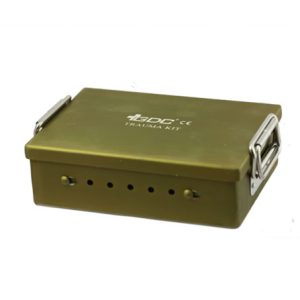 TRAUMA KIT


Reviews
There are no reviews yet.