Surgical instruments play a vital role in dental procedures, allowing practitioners to perform precise, efficient, and safe treatments. These tools are critical for surgeries that involve tooth extractions, implants, periodontal surgeries, and more complex oral health procedures. Among the various ways to organize and manage these instruments, a surgical instrument cassette provides a highly effective solution. It ensures sterilization, ease of access, and the safe handling of the instruments during and after dental surgeries.
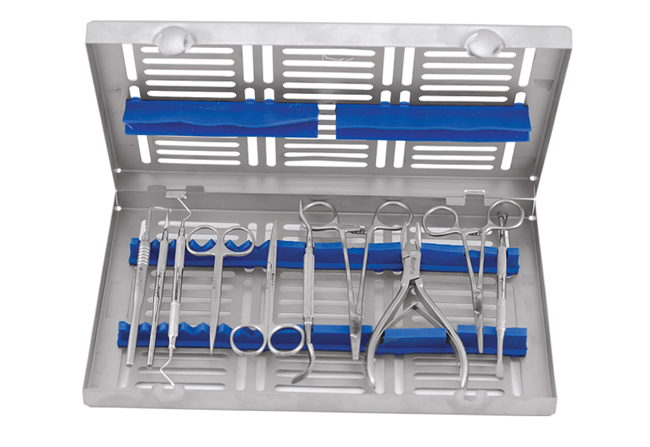
A surgical instrument cassette is essentially a metal or plastic tray designed to hold various dental instruments in a secure and organized manner. These cassettes are customarily used to maintain sterility by preventing cross-contamination between the instruments during transportation, storage, and handling. The use of a cassette system streamlines the sterilization process, especially when instruments need to be autoclaved. These cassettes are often designed to hold instruments in a specific arrangement to facilitate quick identification and access during dental procedures.
Importance of Surgical Instrument Cassettes in Dental Care
One of the key benefits of using a surgical instrument cassette is the improved organization it provides. Dental surgeries require multiple tools, ranging from scalpels and forceps to scissors and elevators. Without proper organization, there is a risk of misplacing instruments or fumbling during a delicate procedure, which can lead to delays or complications. A cassette system ensures all tools are grouped, arranged, and easily accessible, reducing the risk of errors.
Efficiency is another significant advantage. With instruments neatly arranged in a cassette, the dental team can quickly find and grab what they need without wasting time searching through trays or drawers. This not only saves valuable time during the procedure but also contributes to better overall workflow in the dental office. The cassettes are designed to hold multiple instruments securely, reducing the likelihood of dropping or contaminating tools while ensuring that each instrument remains within reach.
Additionally, surgical instrument cassettes are designed to be sterilizable, typically in an autoclave. Sterilization is crucial in dental surgeries to prevent the transmission of infections or diseases. A cassette system allows all instruments to be sterilized in one go, ensuring that no tool is left unsterilized and reducing the risk of cross-contamination between patients. The cassette holds the instruments securely, which prevents damage during the sterilization process and ensures that the instruments are free from contaminants when removed.
Types of Instruments Included in a Surgical Instrument Cassette
Dental cassettes can be customized to include a variety of instruments based on the procedure at hand. Common instruments included in a basic surgical instrument cassette may feature scalpel blades, forceps, needle holders, scissors, elevators, periotomes, and surgical knives. These tools are used in a wide array of oral surgeries, such as tooth extractions, soft tissue surgeries, bone grafting, or dental implant placements.
Moreover, the cassettes can be designed for specific types of surgeries, for example, an implant surgery cassette might include instruments like drills, taps, and implants, whereas a periodontal surgery cassette might focus on curettes and scalers for gum treatments.
Conclusion
In summary, the use of surgical instruments with cassettes in dental care offers numerous advantages, including enhanced organization, improved efficiency, and a higher level of sterilization. By streamlining the storage, transportation, and sterilization processes, cassettes ensure that the dental team can focus on providing the best possible care to their patients. Given the complexity of modern dental surgeries, these cassettes play an essential role in maintaining precision, safety, and hygiene in the dental office.
₹1,300.00Original price was: ₹1,300.00.₹975.00Current price is: ₹975.00.Add to cart
You may add any content here from XStore Control Panel->Sales booster->Request a quote->Ask a question notification
At sem a enim eu vulputate nullam convallis Iaculis vitae odio faucibus adipiscing urna.
Ask an expert
We use cookies to ensure that we give you the best experience on our website. If you continue to use this site we will assume that you are happy with it.

 SURGICAL INSTRUMENTS WITH CASS...


Reviews
There are no reviews yet.