Surgical instruments are essential tools used by medical professionals to perform surgeries and other medical procedures. These instruments, which vary in size, function, and complexity, play a critical role in ensuring the success of medical interventions. Among the various methods of organizing and storing surgical tools, using a surgical instrument pouch is one of the most common and efficient approaches. A surgical instrument pouch is a specially designed storage bag used to house instruments during surgeries, ensuring that they are properly organized, sterilized, and readily accessible.
Design and Purpose of a Surgical Instrument Pouch
Surgical instrument pouches are typically made from durable, sterile, and lightweight materials to provide both safety and convenience. The pouch’s primary purpose is to store instruments securely, preventing contamination and damage. It is designed to be easily handled by surgeons and medical staff during procedures, offering a streamlined way to keep the instruments organized and ready for use. These pouches are often sterilized before use, ensuring that they maintain a sterile environment for the tools inside.
The pouch usually contains multiple compartments, allowing instruments to be segregated by type or purpose. This helps reduce the risk of cross-contamination and ensures that tools are not misplaced or confused during the operation. Pouches can vary in size and design, depending on the complexity of the procedure and the number of instruments needed. For example, a small pouch may hold just a few essential tools, such as scalpels and forceps, while larger pouches are used for complex surgeries that require a wide array of specialized instruments.
Types of Surgical Instruments in Pouch
A wide range of surgical instruments can be placed in a pouch, depending on the nature of the surgery being performed. Some common instruments found in surgical instrument pouches include:
Scalpels – Used for making incisions during surgery. These are typically small, sharp knives with disposable blades.
Forceps – Tweezer-like instruments used for gripping, holding, or manipulating tissue and other small objects.
Needle Holders – Used to hold needles securely while suturing.
Scissors – Surgical scissors come in various shapes and sizes and are used for cutting tissue, sutures, or other materials.
Hemostats – Clamps used to control bleeding by constricting blood vessels.
Surgical Sponges – Absorbent materials used to absorb fluids during surgery.
These instruments are arranged in a way that allows quick access by the surgical team. By keeping all the necessary tools in a pouch, the surgical process can proceed smoothly and efficiently.
Sterilization and Safety
Sterilization is a crucial aspect of surgical practice to prevent infection. Surgical instrument pouches are often made from materials that can withstand sterilization procedures, such as autoclaving, ensuring that the instruments inside remain free from harmful microorganisms. The pouches are typically sealed before being opened in the operating room, maintaining the sterile condition of the contents.
Conclusion
In summary, surgical instrument pouches play a vital role in the organization, sterilization, and accessibility of surgical tools. They contribute to a more efficient and safe surgical environment by keeping instruments ready for use and preventing contamination. Whether for small procedures or complex surgeries, the use of surgical instrument pouches is essential for maintaining the high standards of medical practice.
₹1,300.00Original price was: ₹1,300.00.₹975.00Current price is: ₹975.00.Add to cart
You may add any content here from XStore Control Panel->Sales booster->Request a quote->Ask a question notification
At sem a enim eu vulputate nullam convallis Iaculis vitae odio faucibus adipiscing urna.
Ask an expert
We use cookies to ensure that we give you the best experience on our website. If you continue to use this site we will assume that you are happy with it.

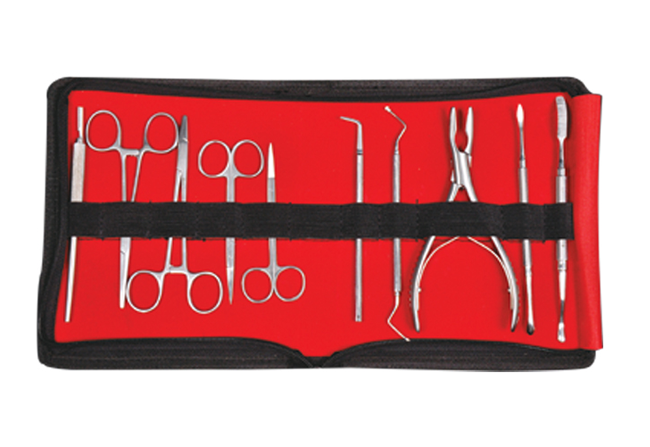
 SURGICAL INSTRUMENTS IN POUCH


Reviews
There are no reviews yet.