
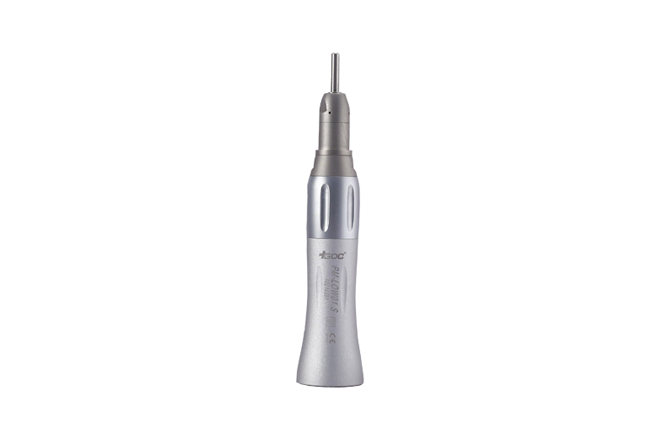
Straight Hand Piece Low-Speed: An Overview
A straight handpiece low-speed is a commonly used dental instrument that plays a significant role in a variety of dental procedures. It is primarily designed for tasks that require slow rotational speeds, providing the dentist with increased control and precision during treatments. Unlike high-speed handpieces, which are used for cutting hard tissues such as enamel, straight handpieces are ideal for procedures involving soft tissues or finer adjustments.
Design and Functionality
A straight handpiece low-speed consists of a straight, slender shaft with a chuck mechanism at the end. The chuck holds various dental burs, polishing discs, or other attachments that are crucial for different tasks. The low-speed handpiece typically operates at speeds ranging from 2,000 to 20,000 RPM (revolutions per minute), depending on the specific requirements of the procedure. The handpiece can be powered either by air or electricity, with pneumatic-powered models being more common in dental practices.
The straight design of the handpiece offers stability and maneuverability, making it suitable for precise work in areas where a more controlled approach is necessary. The ergonomics of the handpiece are carefully designed to reduce strain on the dentist’s hand and wrist, ensuring comfort during long procedures.
Applications
Straight handpiece low-speed instruments are versatile and can be used in a wide range of dental procedures. One of the primary uses is for polishing and finishing dental restorations. This includes tasks like smoothing fillings, crowns, and other prosthetic restorations after they have been placed in the patient’s mouth. By using different attachments, the dentist can ensure that the restoration has a smooth and polished surface, improving both the functionality and aesthetic of the dental work.
Another important application is in endodontics, where low-speed handpieces are used to remove debris from the root canal. This process is essential for preparing the canal for root canal therapy. The low-speed operation helps avoid damage to the surrounding tissue, ensuring that the root canal is properly cleaned and shaped.
Additionally, low-speed handpieces are often employed in preventive dentistry. Dentists use them to remove plaque, tartar, and stains from teeth, offering both hygienic and cosmetic benefits for the patient. These handpieces also come in handy for minor adjustments to restorations and for grinding or shaping soft materials like dental impression compounds.
Advantages and Disadvantages
One of the key advantages of a straight handpiece low-speed is the enhanced control it provides. The lower rotational speeds allow the dentist to perform delicate procedures with greater precision, reducing the risk of overcutting or damaging adjacent structures. They also tend to produce less heat compared to high-speed handpieces, which can be crucial for preventing damage to sensitive tissues.
However, the limitations of a low-speed handpiece include its reduced cutting efficiency compared to high-speed instruments. Low-speed handpieces are generally not suitable for cutting through hard dental materials such as enamel or metal. They also tend to generate more vibration, which can affect comfort during longer procedures.
Conclusion
Straight handpiece low-speed devices are indispensable tools in modern dentistry. They allow for precise, controlled, and safe procedures, especially in restorative and preventive dental care. By understanding their applications, advantages, and limitations, dental professionals can ensure optimal outcomes for their patients.


Reviews
There are no reviews yet.