Sterilization Drum: An Essential Tool in Medical Sterilization
A sterilization drum is an indispensable tool in healthcare settings, designed to ensure the effective sterilization and safe storage of surgical instruments, medical tools, and other essential equipment. These drums play a critical role in maintaining high standards of hygiene and infection control, which are fundamental in medical and laboratory environments.
Design and Features
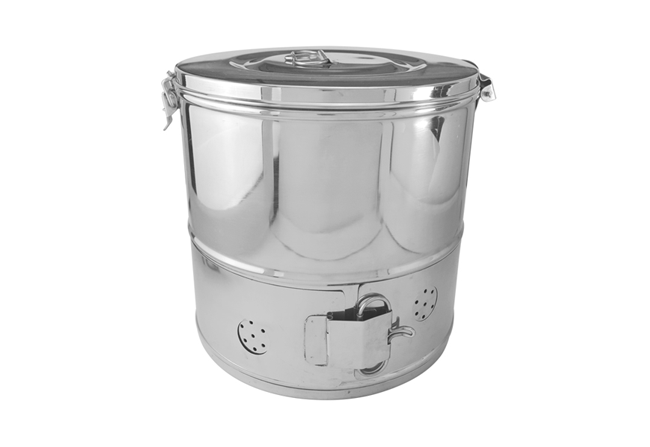
Sterilization drums are typically made from durable stainless steel, which is resistant to high temperatures, corrosion, and wear, making them suitable for repeated sterilization cycles. Their cylindrical shape and perforated design allow optimal steam or gas penetration during sterilization, ensuring that every surface of the enclosed instruments is effectively sterilized. The drum includes a secure locking mechanism to keep the contents sealed, reducing the risk of contamination after the sterilization process.
Many modern sterilization drums also incorporate adjustable ventilation slots or filters, which can be opened or closed as needed. This feature ensures proper air circulation during sterilization while maintaining a sterile environment during storage. The use of such advanced designs minimizes the risk of contamination, improving patient safety.
Applications
Sterilization drums are primarily used in hospitals, clinics, dental offices, and research laboratories. They are instrumental in sterilizing surgical tools, syringes, scalpels, and other reusable instruments. The drums can be placed inside autoclaves or sterilizers, where they are exposed to high-pressure steam or other sterilizing agents.
Once sterilized, the drum acts as a storage unit, keeping the instruments sterile until they are needed. This dual functionality eliminates the need for transferring instruments between sterilization and storage, reducing the risk of contamination.
Advantages
Reusability: Unlike single-use sterilization wraps, sterilization drums are reusable, making them an eco-friendly and cost-effective option.
Durability: Made from high-quality materials, they are built to withstand frequent use and harsh sterilization conditions.
Efficiency: The design ensures uniform sterilization, reducing the likelihood of improperly sterilized instruments.
Safety: By securely locking sterilized instruments inside, they reduce exposure to external contaminants.
Maintenance
Proper maintenance of sterilization drums is crucial for their longevity and effectiveness. After each use, the drum should be thoroughly cleaned to remove any residue. Periodic inspections are necessary to check for dents, loose locks, or worn-out filters that could compromise the sterilization process.
Conclusion
Sterilization drums are a cornerstone of modern medical sterilization practices, combining practicality with reliability. Their ability to sterilize and store instruments effectively has made them an essential tool in the fight against infections. By investing in high-quality sterilization drums and maintaining them properly, healthcare facilities can ensure the safety of their patients and staff.
₹1,300.00Original price was: ₹1,300.00.₹975.00Current price is: ₹975.00.Add to cart
You may add any content here from XStore Control Panel->Sales booster->Request a quote->Ask a question notification
At sem a enim eu vulputate nullam convallis Iaculis vitae odio faucibus adipiscing urna.
Ask an expert
We use cookies to ensure that we give you the best experience on our website. If you continue to use this site we will assume that you are happy with it.

 STERILIZATION DRUM


Reviews
There are no reviews yet.