
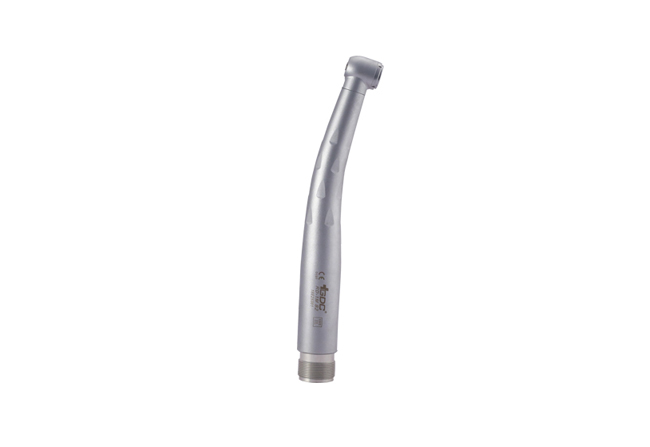
Standard Head High Speed Push Button: A Comprehensive Overview
A Standard Head High-Speed Push Button is an essential component in various industries, serving as a primary interface for machine control and automation. This type of push button is characterized by its ergonomic design, quick response mechanism, and high-speed functionality, making it ideal for applications that require immediate and efficient operational control.
Design and Construction
The standard head high-speed push button typically features a robust and durable construction designed to withstand heavy use in industrial environments. The button is generally made from materials such as stainless steel, thermoplastic, or aluminum, offering excellent resistance to wear and environmental factors. Its design focuses on user convenience, with an easy-to-press button, often featuring a round or square shape, providing tactile feedback to ensure reliable activation. The button’s head is usually large enough to facilitate quick pressing, even in fast-paced or emergency situations.
In terms of functionality, the standard head push button is designed to provide fast electrical contacts when pressed. This enables a rapid response in machines and control systems, ensuring minimal delay in system activation or deactivation. High-speed push buttons are often equipped with additional features like LED indicators, ensuring the operator can easily identify the button’s current status (e.g., on, off, or standby).
Applications
High-speed push buttons find widespread use across various industries, including manufacturing, automotive, telecommunications, and transportation. They are often used in systems where quick responses are crucial, such as automated machinery, conveyor belts, or safety systems. In automated processes, these buttons allow operators to control processes with minimal delay, improving overall efficiency and safety.
The push button’s high-speed nature is particularly useful in situations requiring rapid action, such as emergency stop functions, process control systems, and operational start/stop actions. These buttons can be integrated into control panels, control cabinets, and machinery interfaces, offering both manual control and automatic system responses.
Safety and Durability Features
One of the key features of high-speed push buttons is their ability to deliver reliability under challenging conditions. High-speed push buttons are often rated for extreme temperatures, heavy vibration, and exposure to dust and moisture, which is why they are frequently used in rugged environments like manufacturing plants and factories. Many models are designed to meet global safety standards, ensuring they function correctly and consistently even in hazardous conditions.
Another important consideration in the design of a standard head high-speed push button is the ease of maintenance and replacement. Given that these push buttons are typically subject to high-frequency use, the ability to quickly replace or maintain the button without significant downtime is an important feature. The modular nature of many designs allows for easy installation and repair, minimizing the risk of operational delays.
Conclusion
In summary, standard head high-speed push buttons are vital components in various industrial and automation systems, designed to provide quick and reliable control in time-sensitive environments. With their durable construction, ergonomic design, and wide range of applications, they are a critical part of modern machinery and process control systems, helping ensure both efficiency and safety in operations.


Reviews
There are no reviews yet.