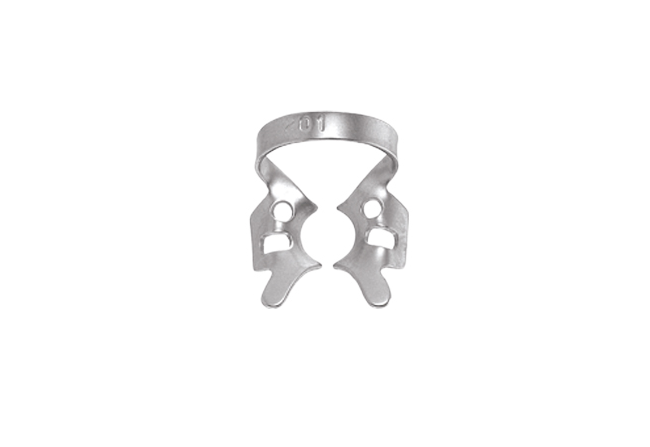
Slightly Festooned Jaws for Maxillary Molar: Understanding the Concept and Its Relevance in Dentistry
In the context of dental anatomy, the term “slightly festooned jaws for maxillary molar” refers to a nuanced detail related to the shape and alignment of the maxillary (upper) molars, particularly when designing dental restorations or dentures. Festooning, in its most basic form, describes the manner in which certain features of the jaw, gums, and surrounding structures are shaped or contoured. For maxillary molars, a “slightly festooned” jaw implies that there is a subtle, natural curvature or prominence of the gumline around the molar teeth, typically in the upper arch.
The maxillary molars are critical components of the human dental anatomy. Located at the back of the mouth, they are used primarily for grinding food, a function that requires both precision and strength. These teeth also serve as anchors for other teeth, contributing to overall dental function and health. Because of their importance, the alignment and positioning of maxillary molars, as well as the adjacent gum and jaw structures, are crucial in maintaining proper dental occlusion and aesthetics.
The Significance of Festooning
Festooning, when applied to the design of dentures or dental restorations, ensures that the prosthetic closely resembles natural teeth and gum contours. For natural teeth, the gums around the maxillary molars are slightly raised, curved, and have a gentle festooned shape that adds to the aesthetic appeal of the mouth. This natural contour ensures that the restoration not only fits well but also mimics the look of natural gum tissue, which is key in preventing a “flat” or unnatural appearance that can arise with poorly designed prosthetics.
In prosthetic dentistry, festooning is employed to recreate this ideal natural look. The term “slightly festooned” suggests that the denture or restoration aims for a subtle, more natural curve that avoids the extremes of excessive swelling or over-contouring. It aims for a soft, smooth transition between the gums and the molars, which is aesthetically pleasing and functionally effective.
Clinical Implications for Maxillary Molars
When working with patients requiring dental restorations for maxillary molars, slight festooning of the gums is often a consideration during the fitting process. For example, a denture or dental implant may need to account for this slight festooning to ensure that the patient experiences both comfort and proper function. A well-fitted denture with a slightly festooned design can provide better support and a more natural feeling when the patient bites or chews.
In orthodontic cases where maxillary molars are being moved or realigned, understanding the natural festooning of the gums can help clinicians predict how the surrounding tissue will respond to changes in position. Proper alignment may involve slightly adjusting the jaw or gums to ensure a harmonious look and function after treatment. In these situations, subtle festooning of the jaws plays a role in preserving or improving the aesthetics of the overall dental arch.
Conclusion
“Slightly festooned jaws for maxillary molars” encapsulates the delicate balance between dental aesthetics and function. By ensuring that the contour of the gums and the positioning of the molars remain harmonious, dental professionals can offer treatments that not only restore function but also provide natural-looking results. This attention to detail in both prosthetic and orthodontic dentistry helps create a more comfortable and aesthetically pleasing experience for patients.
₹1,300.00Original price was: ₹1,300.00.₹975.00Current price is: ₹975.00.Add to cart
You may add any content here from XStore Control Panel->Sales booster->Request a quote->Ask a question notification
At sem a enim eu vulputate nullam convallis Iaculis vitae odio faucibus adipiscing urna.
Ask an expert
We use cookies to ensure that we give you the best experience on our website. If you continue to use this site we will assume that you are happy with it.

 SLIGHTLY FESTOONED JAWS FOR MA...


Reviews
There are no reviews yet.