A root canal treatment (RCT) is a dental procedure used to treat infection or damage in the pulp (nerve) of a tooth. This procedure is essential when the pulp becomes infected due to decay, injury, or other dental issues. It involves removing the infected pulp, cleaning and disinfecting the root canals, and then sealing them to prevent further infection. In some cases, a crown may be placed over the tooth to restore its function and appearance.
The root canal treatment, while often feared, is a highly effective and routine procedure. The term “root canal” refers to the small, hollow area inside the tooth’s root, which contains the pulp. When this area becomes infected or damaged, the bacteria can spread, leading to pain, swelling, and even abscess formation. If untreated, the infection may lead to the loss of the tooth. A root canal aims to preserve the tooth by removing the infected tissue and preventing the spread of bacteria.
The root canal treatment is done in several stages. The first step is an evaluation and diagnosis by the dentist, typically through X-rays. Once the diagnosis is made, the dentist numbs the area to ensure the patient is comfortable throughout the procedure. An opening is then made in the tooth to access the pulp chamber, where the infected tissue is removed. The dentist uses specialized tools to clean and shape the root canals, ensuring all the infected material is removed. The canals are then disinfected to prevent future infections. After the cleaning, the space is filled with a biocompatible material, and the tooth is sealed to ensure the canals are closed. In many cases, the tooth is further protected with a crown to restore its structure and function.
Root canal treatment is associated with several benefits, including pain relief and the preservation of the natural tooth. Many people experience significant pain from infections in the pulp, and a root canal can provide relief by eliminating the source of the discomfort. Additionally, preserving the natural tooth rather than extracting it helps maintain the integrity of the bite and prevents further dental issues. After a successful root canal treatment, most patients can continue to use the treated tooth for many years without complications.
However, like any medical procedure, root canal treatment carries some risks. Potential complications include reinfection, tooth fracture, or issues with the crown. While the procedure has a high success rate, it’s important to follow up with the dentist after the treatment to ensure everything is healing properly.
In conclusion, a root canal treatment such as Root Canal Luks #RCPLCC3 is a critical dental procedure designed to save teeth that would otherwise need extraction. Despite misconceptions, it is a safe and effective method for resolving infections and preserving oral health.
₹1,300.00Original price was: ₹1,300.00.₹975.00Current price is: ₹975.00.Add to cart
You may add any content here from XStore Control Panel->Sales booster->Request a quote->Ask a question notification
At sem a enim eu vulputate nullam convallis Iaculis vitae odio faucibus adipiscing urna.
Ask an expert
We use cookies to ensure that we give you the best experience on our website. If you continue to use this site we will assume that you are happy with it.

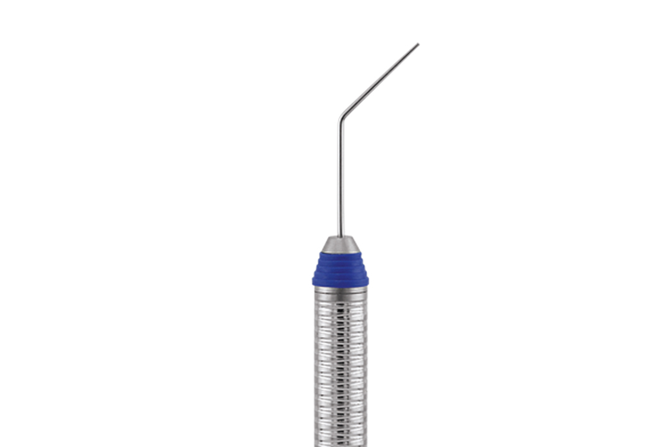
 ROOT CANAL LUKS #RCPLCC3


Reviews
There are no reviews yet.