A “root canal” is a dental procedure used to treat infection or damage within the pulp of a tooth, which houses the nerves, blood vessels, and connective tissues. The term “Root Canal Luks #RCPLCC1” seems to refer to a specific type or code related to root canal treatment, potentially a product, service, or reference code. Although “Luks” could be a brand name, service provider, or product line, the main procedure involved remains the same.
What is a Root Canal?
A root canal is essential when the pulp of a tooth becomes infected or inflamed, often due to deep decay, cracks, or trauma. If left untreated, this infection can spread to the bone, causing severe pain, abscesses, and even tooth loss. The procedure involves removing the infected pulp, cleaning the root canal system, and sealing the space to prevent future infections.
Procedure Overview
The root canal procedure generally involves a few key steps:
Diagnosis: The dentist uses X-rays to examine the affected tooth and determine the extent of the damage. Signs like prolonged tooth pain, sensitivity to hot or cold, and gum swelling are often indicators that a root canal may be necessary.
Anesthesia: The area around the tooth is numbed using a local anesthetic to ensure the patient feels no pain during the procedure.
Removal of Pulp: The dentist creates a small hole in the tooth’s crown and removes the infected or damaged pulp. This step is critical in preventing further damage or infection.
Cleaning and Shaping: After the pulp is removed, the inside of the tooth is cleaned and shaped to ensure it’s free of bacteria and debris. This is often done using special tools.
Filling and Sealing: Once the canal is thoroughly cleaned, it is filled with a rubber-like material known as gutta-percha to seal the canal and prevent reinfection.
Restoration: In many cases, a crown is placed over the tooth to restore its strength and appearance. A crown is particularly important for molars or teeth that have suffered significant damage.
Benefits of Root Canal Treatment
Pain Relief: Although the procedure has a reputation for being painful, it often provides relief from severe tooth pain associated with infection.
Tooth Preservation: Root canal treatment allows the tooth to be saved, avoiding the need for extraction.
Prevention of Further Infection: Properly treating an infected tooth prevents the spread of infection to the surrounding tissues and jawbone.
Aftercare
After the procedure, patients may experience mild discomfort or swelling, but this typically resolves within a few days. Over-the-counter pain medications can help manage any discomfort. It’s crucial to follow the dentist’s aftercare instructions and schedule follow-up visits to ensure the tooth is healing properly.
In summary, root canal treatment is a common and effective solution for saving a damaged or infected tooth. Whether it’s labeled “Root Canal Luks #RCPLCC1” or another code, the importance of proper diagnosis, treatment, and follow-up remains the same.
₹1,300.00Original price was: ₹1,300.00.₹975.00Current price is: ₹975.00.Add to cart
You may add any content here from XStore Control Panel->Sales booster->Request a quote->Ask a question notification
At sem a enim eu vulputate nullam convallis Iaculis vitae odio faucibus adipiscing urna.
Ask an expert
We use cookies to ensure that we give you the best experience on our website. If you continue to use this site we will assume that you are happy with it.

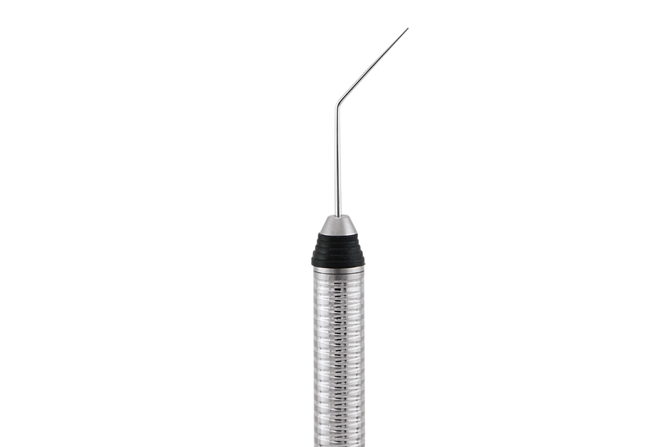
 ROOT CANAL LUKS #RCPLCC1


Reviews
There are no reviews yet.