
Periosteal Benque Elevator: A Key Tool in Periodontal Surgery
The Periosteal Benque Elevator is a specialized dental instrument designed to facilitate various surgical procedures, particularly in periodontal and oral surgeries. Its primary function is to detach the periosteum, a dense layer of connective tissue covering the bones, from the underlying bone structure, without causing damage to the soft tissue. This delicate process is essential for effective tissue management, especially during tooth extractions, periodontal surgeries, and implant placements.
Design and Functionality
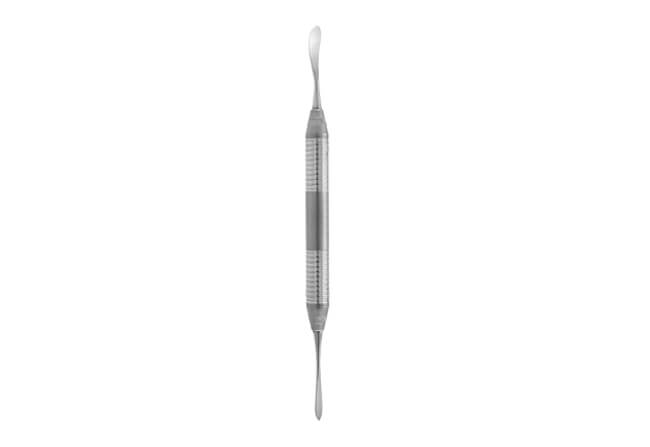
The Periosteal Benque Elevator is typically characterized by a slender, long handle that provides a firm grip, allowing the dental surgeon to apply precise force when maneuvering the tool. The working end of the instrument is flat, with a curved or angled blade that ensures smooth separation of the periosteum from the bone surface. The unique design allows for ease of use in the confined spaces of the mouth, providing excellent maneuverability and control during surgical procedures.
What distinguishes the Benque elevator from other periosteal elevators is its specific curve, which is optimized for working in the posterior sections of the mouth. This curvature makes it ideal for the manipulation of tissue in areas that are more challenging to access, ensuring that the surgeon can operate effectively even in difficult-to-reach spaces. The instrument’s ergonomic handle, coupled with its carefully engineered working end, ensures that the periosteum can be elevated in a controlled and predictable manner, minimizing the risk of complications.
Uses in Periodontal and Oral Surgery
The Periosteal Benque Elevator is indispensable for several key dental procedures. One of its primary uses is in tooth extractions, especially in cases where the tooth is deeply rooted in the bone. During extractions, the instrument is used to separate the periosteum from the bone, providing better access to the tooth roots and allowing the surgeon to remove the tooth with minimal trauma to the surrounding tissue.
In periodontal surgery, the Periosteal Benque Elevator is used to lift the periosteum away from the bone to allow the surgeon to access and treat underlying structures. This procedure is often necessary for treating advanced periodontal diseases, where deep cleaning, debridement, or bone grafting might be required. The ability to raise the periosteum without damaging it is critical in ensuring the success of these surgeries, as the periosteum contains cells responsible for bone regeneration and tissue healing.
In implant surgeries, the elevator is similarly employed to access the bone site where the implant will be placed. The surgeon uses the instrument to elevate the periosteum carefully, preserving the underlying bone and ensuring that the implant can be placed in a stable, healthy environment.
Benefits of Using the Periosteal Benque Elevator
One of the key advantages of the Periosteal Benque Elevator is its precision. The tool’s design allows for controlled force application, reducing the likelihood of unintended injury to the soft tissues or surrounding structures. This precision is especially important in surgeries involving delicate tissues, where any unnecessary damage could lead to complications such as delayed healing, infection, or even the failure of the surgical procedure.
Moreover, the Periosteal Benque Elevator is crafted from high-quality stainless steel, ensuring durability and resistance to corrosion. Its ergonomic design minimizes hand fatigue for the surgeon, enabling them to perform prolonged procedures comfortably.
Conclusion
The Periosteal Benque Elevator is an essential tool in modern periodontal and oral surgery, offering unparalleled precision and control during a variety of procedures. Its unique design allows dental professionals to elevate the periosteum with minimal trauma, making it indispensable for tooth extractions, periodontal treatments, and dental implant placements. By incorporating this tool into their practice, dental surgeons can ensure that they perform surgeries with the highest level of care and efficacy, promoting better patient outcomes and faster healing times.


Reviews
There are no reviews yet.