
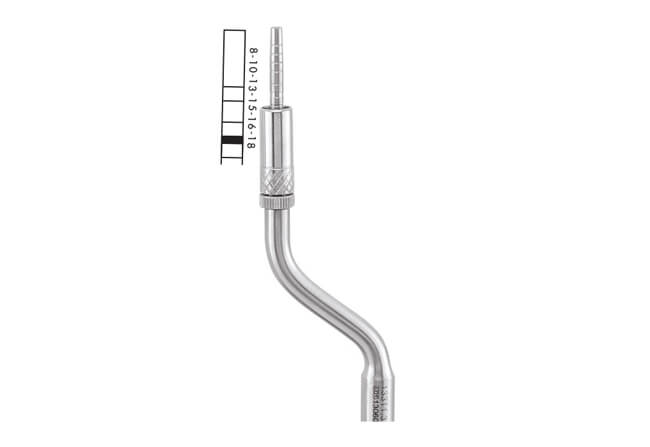
Osteotomes are surgical instruments designed for bone cutting and shaping. They are frequently used in orthopedics, oral surgery, and other medical specialties that involve bone manipulation. Osteotomes come in various designs, and one of the most commonly used types is the flat and curved osteotome. These instruments play a crucial role in procedures that require bone removal, reshaping, or realignment, such as joint replacement, fracture repair, and oral surgeries.
The term “osteotome” refers to a tool that is specifically engineered to cut, shape, or remove bone tissue. Flat and curved osteotomes are designed with precision to handle different types of bone structures, with specific emphasis on their angles and edges. Flat osteotomes are typically used for cutting and shaving bone surfaces, while curved osteotomes are employed in procedures that require a more intricate approach, such as those involving complex bone contours or deeper cuts.
The flat and curved osteotomes come in various sizes, including those with a diameter range of 2.7 – 3.2 mm. These specific sizes are ideal for surgeries that require more delicate precision. The 2.7 – 3.2 mm range is commonly used in surgeries where minimal bone removal is necessary, such as in dental procedures, or surgeries involving the small bones of the hands, feet, or face. The smaller sizes allow surgeons to have more control over their incisions and to minimize the risk of damaging surrounding tissues.
These osteotomes are typically made from high-quality stainless steel, ensuring both durability and resistance to corrosion. Stainless steel is a preferred material because it can withstand the forces applied during surgical procedures without losing its sharpness or integrity. Additionally, it is easy to sterilize, which is essential in maintaining a sterile surgical environment.
One of the key features of flat and curved osteotomes is their ergonomic design. These instruments are designed with handles that provide a secure and comfortable grip for the surgeon. The handles are often textured or coated to prevent slippage during use, providing the surgeon with more control during the operation. The shape and size of the osteotome also help to reduce hand fatigue, allowing the surgeon to perform intricate bone cuts for extended periods without discomfort.
In addition to their use in bone surgeries, flat and curved osteotomes with a 2.7 – 3.2 mm size range are often part of surgical kits used for complex reconstructive procedures, such as those involving the joints, spine, or facial bones. Their precision allows them to be used in delicate operations where accuracy is critical, such as when aligning bones after a fracture or during a joint replacement procedure. By enabling precise cuts, osteotomes help to ensure that the bone healing process is smooth, minimizing complications and reducing recovery time for patients.
In conclusion, flat and curved osteotomes in the 2.7 – 3.2 mm range are essential surgical tools that help surgeons perform bone manipulation with precision. Their compact size and ergonomic design make them suitable for a wide range of bone surgeries, providing accuracy and control that are crucial for successful outcomes in orthopedic, oral, and reconstructive surgeries.


Reviews
There are no reviews yet.