Mouth Gags: An Essential Tool in Dental and Medical Procedures
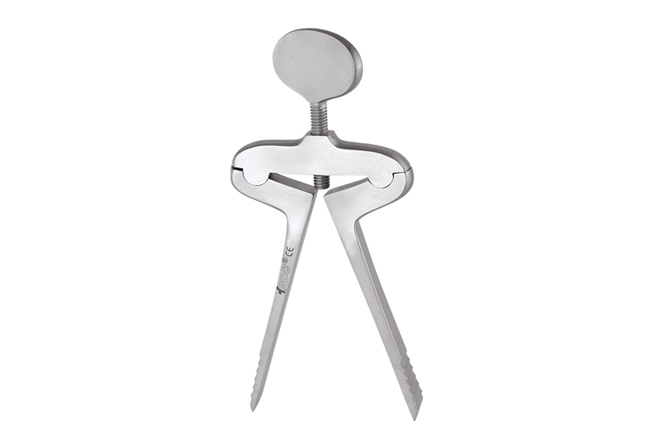
Mouth gags, also known as dental retractors or oral retractors, are a vital tool used in dental and medical procedures to keep the mouth open and provide easy access to the oral cavity. These devices are essential in a wide variety of treatments, from routine dental exams and cleanings to complex surgeries. They are designed to hold the patient’s mouth open during procedures, preventing the jaws from closing and giving dental professionals better visibility and access to the teeth, gums, and other oral structures.
Types of Mouth Gags
Mouth gags come in various designs, each tailored to specific needs in the dental or medical field. The most common types include:
Standard Mouth Gag: These are the most basic type and are commonly used for general dental examinations. The standard mouth gag usually has a simple mechanism for opening the mouth and keeping it in place for short periods. They are typically made from stainless steel or plastic.
Surgical Mouth Gag: These are more specialized devices used in surgeries such as tooth extractions, root canal treatments, and other oral surgeries. Surgical mouth gags are often larger and more durable than standard gags, with adjustable mechanisms to maintain a wider mouth opening for longer durations.
Pediatric Mouth Gag: Designed specifically for children, these gags are smaller and more comfortable. Pediatric mouth gags are crucial in paediatric dentistry to hold the mouths of young patients open during procedures. They are often made of softer materials to avoid injury or discomfort.
Self-Adjusting Gag: This type of mouth gag features a built-in mechanism that allows the gag to adjust automatically to the patient’s mouth. These are used in situations where precise control of the mouth’s opening is necessary.
Dental Rubber Mouth Gag: A more comfortable option, these gags are made from soft rubber material that gently holds the mouth open, often used for routine cleanings and exams.
Materials and Construction
Mouth gags are typically made from durable materials that are easy to clean and sterilize, as maintaining hygiene is critical in dental and medical settings. Stainless steel is commonly used because it is strong, resistant to corrosion, and can withstand repeated sterilization cycles. Some mouth gags, especially those used in pediatric or comfort-focused applications, may also be made from flexible, non-abrasive materials like silicone or plastic.
Functionality and Usage
Mouth gags are indispensable for dental professionals during procedures that require hands-free access to the oral cavity. For instance, during a tooth extraction, the dentist needs the patient’s mouth to remain open while they work with precision. Without a mouth gag, it would be challenging to maintain a clear view of the oral cavity for prolonged periods, especially in the presence of reflexes like gagging or jaw movement.
In addition to dental surgeries, mouth gags are used in a range of medical procedures, such as endoscopies and airway management during anesthesia. They provide vital assistance in keeping the mouth open for doctors and surgeons who need unobstructed access to the throat or oral cavity.
Benefits of Mouth Gags
Enhanced Visibility and Access: A mouth gag ensures that the oral cavity is held open, improving the dental professional’s ability to work efficiently.
Comfort and Safety: By reducing the need for physical force to hold the mouth open, gags make procedures more comfortable for the patient and safer for both patient and dentist.
Time Efficiency: During complex procedures, using a mouth gag minimizes interruptions and allows for more focused work, thereby saving time.
Conclusion
Mouth gags play an integral role in ensuring that dental and medical procedures are completed effectively and safely. By keeping the mouth open during treatments, they enhance visibility, provide ease of access, and contribute to a smooth and comfortable experience for patients. Whether for routine cleanings or complex surgeries, the proper use of mouth gags is essential for successful outcomes in oral health care.
₹1,300.00Original price was: ₹1,300.00.₹975.00Current price is: ₹975.00.Add to cart
You may add any content here from XStore Control Panel->Sales booster->Request a quote->Ask a question notification
At sem a enim eu vulputate nullam convallis Iaculis vitae odio faucibus adipiscing urna.
Ask an expert
We use cookies to ensure that we give you the best experience on our website. If you continue to use this site we will assume that you are happy with it.
 MOUTH GAGS


Reviews
There are no reviews yet.