
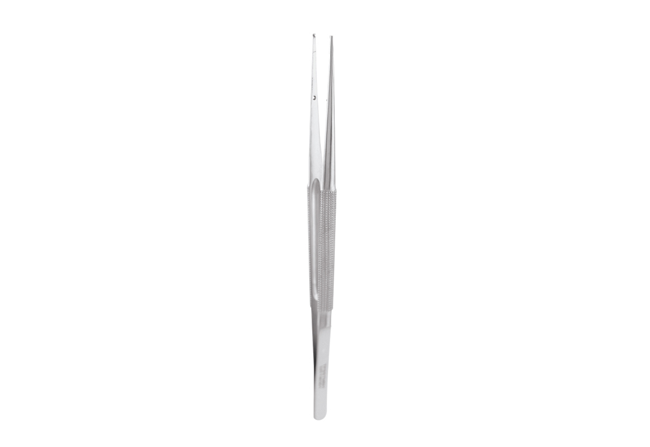
Micro Tissue Forceps: An Essential Tool in Precision Surgery
Micro tissue forceps are a fundamental instrument in microsurgery and precision-based medical procedures. Designed to handle delicate tissues with exceptional accuracy, these forceps play a critical role in surgeries where minimal tissue trauma and precision are paramount. Their application spans various medical fields, including ophthalmology, neurosurgery, plastic surgery, and laboratory research.
Design and Features
The defining characteristic of micro tissue forceps lies in their fine, slender tips and ergonomic design. These forceps are crafted from high-grade stainless steel or titanium, ensuring durability and resistance to corrosion. Titanium forceps are particularly favored for their lightweight and non-magnetic properties, which enhance precision and reduce surgeon fatigue during prolonged procedures.
The tips of micro tissue forceps are engineered to be exceptionally fine, allowing them to grasp even the smallest tissues or structures without causing damage. Some models feature serrated or grooved tips to improve grip on tissues, while others are smooth-tipped to minimize pressure and avoid tissue indentation. In advanced designs, forceps may have spring-loaded handles for better control or integrated locking mechanisms for holding tissues securely.
Applications in Surgery
Micro tissue forceps are indispensable in a range of surgical specialties:
- Ophthalmology: Surgeons utilize micro tissue forceps during procedures such as cataract removal, corneal transplants, and retinal surgeries. Their precision allows manipulation of fragile eye tissues, such as the lens capsule or retina, without causing damage.
- Neurosurgery: Handling the delicate tissues of the brain and spinal cord requires the utmost precision. Micro tissue forceps enable surgeons to maneuver around critical structures safely, ensuring minimal disruption to surrounding tissues.
- Plastic and Reconstructive Surgery: During procedures like skin grafting or microsurgical reconstruction, micro tissue forceps allow for the meticulous handling of skin, vessels, and nerves, ensuring optimal outcomes.
- Ear, Nose, and Throat (ENT) Surgery: In ENT procedures, micro forceps facilitate the manipulation of tiny structures within the ear or nasal cavity, enhancing the surgeon’s ability to operate in confined spaces.
- Laboratory and Research Use: Beyond clinical applications, micro tissue forceps are widely used in research settings for handling small samples, dissecting tissues under microscopes, or performing intricate tasks such as cell or embryo manipulation.
Advancements in Micro Tissue Forceps
Recent innovations in the design of micro tissue forceps have further enhanced their utility. For instance, forceps with tungsten carbide tips offer superior grip and durability, making them ideal for repetitive use. Ergonomic handles and anti-fatigue designs have improved user comfort and precision, even during extended procedures. Additionally, disposable micro forceps are now available for applications requiring absolute sterility.
Importance in Modern Medicine
The precision offered by micro tissue forceps has revolutionized modern surgery. By enabling surgeons to handle delicate tissues with minimal trauma, these instruments have improved surgical outcomes and patient recovery times. They have also contributed to advancements in minimally invasive techniques, where precision tools are essential.
In conclusion, micro tissue forceps are a cornerstone of precision-based medical practices. Their specialized design and versatile applications make them an invaluable tool across a spectrum of medical fields. As technology advances, these instruments will continue to evolve, ensuring their role in enhancing surgical success and patient care.


Reviews
There are no reviews yet.