
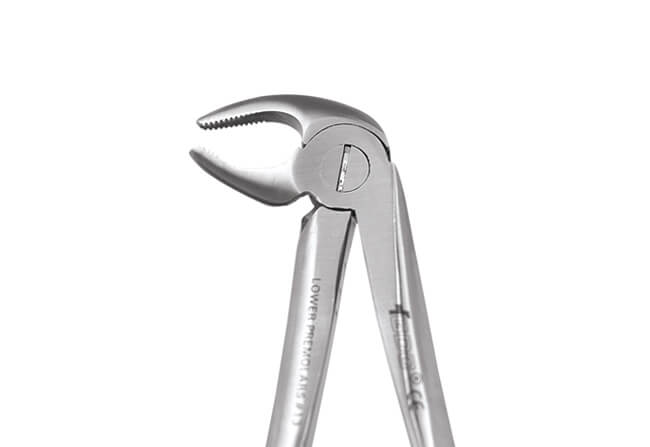
Lower Premolar No. 13E: A Revolutionary Dental Product
The Lower Premolar No. 13E is a cutting-edge dental product designed to enhance dental care and restore the function of the lower premolar teeth. This product is crucial for both restorative and prosthetic dentistry, especially when it comes to replacing missing or damaged teeth. The number 13E refers to the specific tooth classification, denoting its position in the mouth and its ability to cater to individual patient needs in dental procedures.
Anatomy of the Lower Premolar No. 13E
The lower premolar, specifically tooth No. 13E, is located on the lower left side of the mouth, in the second quadrant of the dental arch. Premolars, in general, serve as transitional teeth between the canines and molars. They are critical for the grinding and tearing of food, assisting in efficient digestion. The Lower Premolar No. 13E is typically a bicuspid with two cusps, making it an essential component for the proper functioning of the mouth.
Material and Durability
The Lower Premolar No. 13E is crafted using advanced materials that mimic the natural tooth structure. The product is often made from high-quality ceramics or durable composite materials, ensuring long-lasting performance. These materials are chosen for their strength, wear resistance, and biocompatibility. The ceramic version provides a natural aesthetic appearance, while composite options are versatile and easy to modify during procedures. Whether the patient opts for a crown or a dental implant for No. 13E, the materials used ensure a robust and aesthetically pleasing result.
Restorative Dentistry
In restorative dentistry, the Lower Premolar No. 13E is used to replace missing or decayed teeth. It can be fitted with a dental crown to restore the tooth’s functionality and appearance. A crown for the Lower Premolar No. 13E is typically customized to match the patient’s natural tooth color, ensuring that the restoration blends seamlessly with the rest of the teeth. For patients with more severe damage or tooth loss, dental implants can also be placed to replicate the natural tooth structure. Dental implants for No. 13E are highly successful due to their integration with the bone, providing a stable and permanent solution.
Implantology
In implantology, the Lower Premolar No. 13E is often replaced with a dental implant. This involves the placement of a titanium post into the jawbone, acting as a replacement for the tooth root. Over time, the implant fuses with the bone in a process called osseointegration, creating a durable foundation for a prosthetic tooth. The Lower Premolar No. 13E implant is known for its stability and functionality, offering patients a permanent solution to missing teeth.
Personalized Treatment Plans
The beauty of the Lower Premolar No. 13E lies in its adaptability to different patient needs. Dentists can personalize treatment plans based on the patient’s specific condition. Whether it’s for an elderly patient requiring a simple dental restoration, or a young adult seeking a cosmetic fix, the Lower Premolar No. 13E can be customized to fit the individual’s dental structure and aesthetic goals. This level of customization ensures that patients experience optimal comfort, function, and appearance.
Conclusion
The Lower Premolar No. 13E is a versatile dental product that plays a pivotal role in restorative and prosthetic dentistry. With its durable material, precise fit, and adaptability, it is the ideal solution for patients seeking to restore function, improve aesthetics, and regain confidence in their smile. Whether through a dental crown or implant, the Lower Premolar No. 13E offers lasting benefits, making it an invaluable asset in modern dental care.


Reviews
There are no reviews yet.