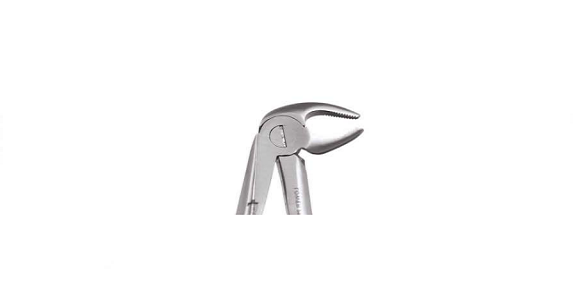
Dental Product: LOWER PREMOLAR No. 13
The LOWER PREMOLAR No. 13 is an essential dental product designed to cater to the needs of dental professionals in restorative and orthodontic procedures. Specifically, it refers to a specific type of tooth in the dental anatomy: the lower left or right second premolar, which is found in the mandible (lower jaw). This product can be associated with various treatments, such as the replacement of a missing tooth, the preparation of a tooth for a dental crown, or its role in orthodontic alignments.
Key Features and Design
The LOWER PREMOLAR No. 13 is crafted with precision to replicate the natural contours and functionality of the human second premolar. It is typically available in a variety of materials, including porcelain, resin composite, or metal-based alloys, depending on the specific dental procedure. The premolar plays a crucial role in chewing, helping to grind and break down food. Therefore, the design of this dental product ensures durability, strength, and aesthetic appearance, mimicking the tooth’s natural enamel for a seamless blend with the surrounding teeth.
The product may come in the form of a crown, filling, or implant, with the choice of material impacting its overall appearance and functionality. For example, porcelain crowns provide a more natural aesthetic appearance, while metal-based alloys may offer enhanced strength and longevity, making them suitable for patients with high bite force. Resin composites, on the other hand, provide a balance of aesthetics and functionality and are commonly used in fillings or restorations.
Applications in Dental Treatments
The LOWER PREMOLAR No. 13 is frequently used in several dental procedures. Its most common use is in restorative dentistry, where it serves as a replacement for a decayed, broken, or damaged premolar. In this case, dental professionals use crowns or bridges to restore the function and appearance of the tooth. This can be particularly important for patients who have lost a tooth due to trauma or extensive decay. Restoring the premolar not only improves the patient’s ability to chew but also helps maintain the proper alignment of surrounding teeth.
In cases of missing teeth, the LOWER PREMOLAR No. 13 may be part of a dental implant system. A dental implant consists of a titanium post inserted into the jawbone, which serves as the foundation for a crown that mimics the natural tooth. The implant is a long-lasting solution for patients who want a permanent alternative to removable dentures or bridges.
Orthodontics also frequently utilizes the LOWER PREMOLAR No. 13 in the process of alignment and space management. When a patient undergoes orthodontic treatment, sometimes it is necessary to extract a lower premolar to create space for other teeth to align properly. In these cases, the extracted tooth is either replaced with an implant or left with space for the alignment of other teeth.
Benefits for Patients
The benefits of the LOWER PREMOLAR No. 13 product are vast. Firstly, it restores functionality to the teeth, allowing for improved chewing, biting, and speaking. Furthermore, it contributes to the overall aesthetics of the smile, ensuring that the patient’s appearance remains natural and unaltered by the dental procedure. Patients also experience enhanced comfort, as properly placed dental restorations or implants minimize discomfort during chewing and other daily activities.
Additionally, restoring the lower premolar helps in maintaining the alignment of the bite, reducing the risk of malocclusion (misalignment of teeth) and jaw-related issues. For orthodontic patients, the extraction or restoration of the premolar ensures the best possible outcome for tooth alignment.
Conclusion
In summary, the LOWER PREMOLAR No. 13 is a vital dental product that plays a significant role in restorative dentistry, orthodontics, and the overall functionality and aesthetic of the smile. Whether used for fillings, crowns, or implants, this dental solution provides patients with a durable, natural-looking alternative to damaged or missing teeth. It helps improve comfort, restore oral health, and ensure proper alignment, making it a crucial part of modern dental care.


Reviews
There are no reviews yet.