
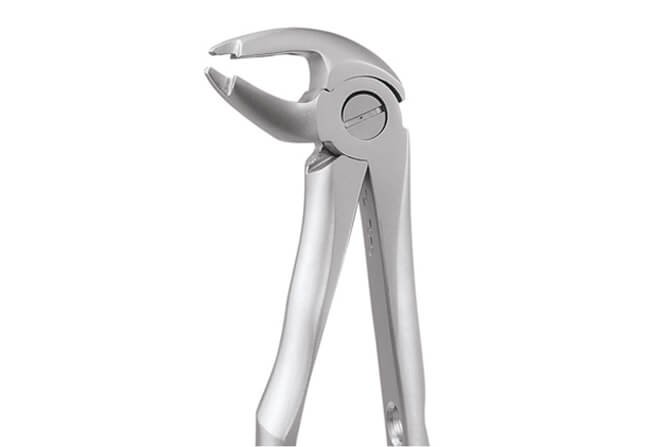
Lower Premolar Teeth: Overview, Function, and Anatomy
Lower premolar teeth, also known as bicuspids, are an essential part of the human dentition, playing a significant role in the process of mastication (chewing). These teeth are located behind the canine teeth in both the upper and lower jaw, with the lower premolars being particularly crucial for grinding and tearing food. The human mouth typically contains two lower premolars on each side, making a total of four lower premolars. They are numbered as the first and second lower premolars, with the first premolar positioned closer to the midline.
Anatomy of Lower Premolar Teeth
A lower premolar typically has two cusps (points) on the chewing surface: a buccal cusp and a lingual cusp. The buccal cusp, positioned toward the cheek, is often larger than the lingual cusp. These cusps work together to crush and grind food during the chewing process. The crown of a premolar is generally broad, allowing for an effective grinding surface. Additionally, the roots of lower premolars can vary, with the first premolar often having one root, while the second premolar may have one or two roots. The root canal system in lower premolars can be complex, particularly when multiple roots are present, potentially requiring more intricate dental treatments.
Function of Lower Premolars
Premolars are vital in breaking down food before it moves on to the molars for further grinding. Their function is often described as being between that of the incisors, which cut food, and the molars, which are used for crushing and grinding. The lower premolars help tear and crush food into smaller, more manageable pieces, which aids in the digestive process by enabling the stomach to break down the food more efficiently. These teeth are also involved in maintaining the proper alignment of the bite, which contributes to overall dental health.
Development and Eruption
The eruption of lower premolars typically occurs between the ages of 10 and 12 years, although this can vary slightly depending on the individual. The first lower premolar usually erupts before the second premolar. Like all permanent teeth, the development of lower premolars begins in the jaw as early as the age of 3 or 4. These teeth are preceded by the primary (baby) teeth, which are eventually replaced by permanent premolars as children grow older.
Common Dental Issues with Lower Premolars
Like other teeth, lower premolars are susceptible to various dental issues, including cavities, gum disease, and tooth sensitivity. Because of their location in the mouth and the way they are used in chewing, lower premolars can also experience significant wear over time. In some cases, they may become misaligned or impacted, requiring orthodontic treatment. Regular dental check-ups are important to monitor the health of lower premolars and address any issues that arise.
Conclusion
Lower premolars are crucial for effective chewing and maintaining a healthy bite. Their role in food processing and their contribution to overall oral health cannot be overstated. Understanding their anatomy, function, and potential dental concerns is essential for maintaining a healthy set of teeth. Regular dental visits and proper care, such as brushing and flossing, are key to preserving the health and functionality of lower premolars throughout a person’s life.


Reviews
There are no reviews yet.