The Gross Maier Curved is a type of surgical instrument primarily used in the field of medicine, specifically in surgical procedures involving tissue dissection and repair. Named after the inventor or creator, it is designed to offer precision and control during delicate procedures. The Gross Maier Curved is commonly used by surgeons, particularly in specialties like general surgery, orthopedic surgery, plastic surgery, and neurosurgery. This versatile tool is integral to surgeries where access to deeper or more confined areas is necessary, as the curved design facilitates better reach and maneuverability.
Design and Features
The Gross Maier Curved comes with a curved shape, which makes it distinct from other surgical instruments. The curve allows the surgeon to navigate the contours of the body with ease, especially in areas that are difficult to access with straight tools. The curvature of the instrument ensures that the surgeon can approach the tissue or organ from various angles, improving both precision and efficiency during the operation. Typically, the tool is constructed from high-grade stainless steel for durability, ensuring that it remains sharp and resistant to corrosion, even with frequent use.
The handle of the Gross Maier Curved is ergonomically designed to provide a comfortable grip for the surgeon. This is important because prolonged surgical procedures can strain the hands and wrists of the surgeon, so a well-designed handle is crucial for minimizing discomfort. The curved blade or tip of the instrument is sharp, which allows it to make clean incisions or dissections, ensuring minimal damage to surrounding tissues.
Applications in Surgery
The Gross Maier Curved is primarily used for dissecting, retracting, and cutting soft tissues. Its curved shape makes it particularly suitable for tasks where straight tools would be ineffective or difficult to maneuver. In general surgery, it is often used for cutting through tissue layers to access deeper structures. In plastic surgery, it is used to carefully separate and resect skin or muscle tissue, ensuring minimal scarring and optimal results. Similarly, in neurosurgery, this instrument allows for precise dissections in small or intricate spaces around the brain and spinal cord.
The versatility of the Gross Maier Curved also extends to orthopedic procedures. It can be employed to dissect muscle tissues around joints or to aid in the repositioning of bone fragments. In cardiothoracic surgeries, the curved design also allows for careful navigation of the chest cavity, especially when working around the heart or lungs.
Maintenance and Care
Like all surgical instruments, the Gross Maier Curved requires proper care and maintenance to ensure its longevity and effectiveness. Regular cleaning and sterilization are essential to prevent infections and to maintain the sharpness of the tool. After each use, it should be thoroughly cleaned, ensuring no blood or tissue is left on the instrument. Sterilization is typically done through autoclaving, which uses high-pressure steam to kill bacteria and other pathogens. Periodically, the instrument should also be checked for any signs of wear, such as dullness or corrosion, which can affect its performance.
In conclusion, the Gross Maier Curved is a reliable and essential surgical tool in various medical fields, known for its ability to deliver precision in difficult-to-reach areas. With its ergonomic design, sharpness, and versatility, it ensures that surgeons can perform delicate procedures with greater ease and efficiency. Proper care and maintenance of this instrument are vital to prolonging its usefulness in the operating room.
₹1,300.00Original price was: ₹1,300.00.₹975.00Current price is: ₹975.00.Add to cart
You may add any content here from XStore Control Panel->Sales booster->Request a quote->Ask a question notification
At sem a enim eu vulputate nullam convallis Iaculis vitae odio faucibus adipiscing urna.
Ask an expert
We use cookies to ensure that we give you the best experience on our website. If you continue to use this site we will assume that you are happy with it.

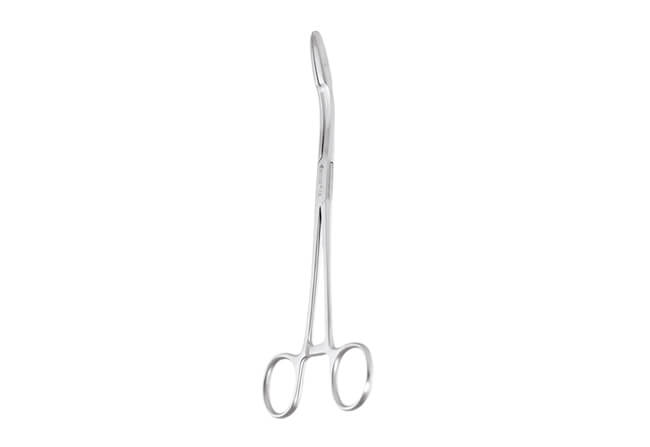
 GROSS MAIER CURVED


Reviews
There are no reviews yet.