
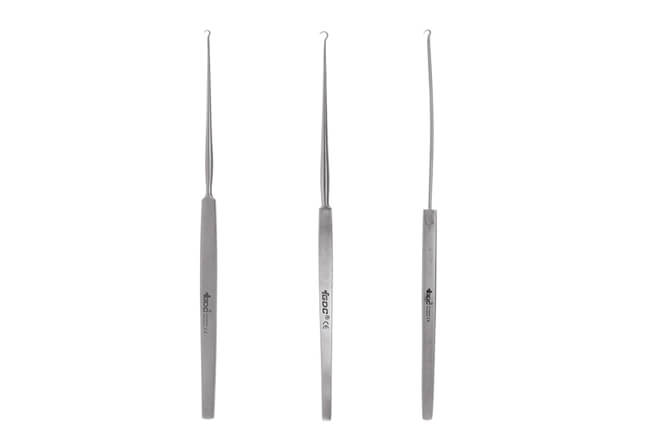
GILLIES RETRACTOR: An Essential Tool in Dental Surgery
The Gillies Retractor is a widely recognized and valuable tool used in dental and surgical procedures. Named after the renowned surgeon Sir Harold Gillies, this retractor is primarily designed to help healthcare professionals maintain a clear view of the oral cavity by keeping tissues away from the surgical site. This instrument is essential for enhancing visibility and improving the accuracy of dental procedures, making it an indispensable tool in many dental surgeries.
Design and Features of the Gillies Retractor
The Gillies Retractor has a distinct design that makes it highly effective in various dental procedures. Typically, it consists of a metal handle with a curved or angled blade at one end. The blade is designed to gently hold back soft tissues such as gums, lips, or cheeks, ensuring that the surgeon has a clear line of sight to the area they are working on. The handle is ergonomically designed to provide a secure and comfortable grip, which is crucial for maintaining stability during long or intricate surgeries.
The blade’s curvature is one of the key features that set the Gillies Retractor apart from other retractors. It is crafted to be able to maneuver around the delicate and sensitive structures of the oral cavity without causing damage. The flexibility and strength of the blade make it suitable for a wide range of dental and oral surgical procedures, including extractions, root canal treatments, and periodontal surgeries.
Applications of the Gillies Retractor
The primary purpose of the Gillies Retractor is to retract soft tissues during dental surgeries. Its versatility allows it to be used in a variety of procedures, from routine extractions to complex oral surgeries. It is particularly beneficial during the extraction of wisdom teeth or other molars, where the surgeon needs to access deep areas of the mouth. In such cases, the retractor helps pull back the cheek or lip, allowing the dentist to have better access and visibility to the area.
Another common application of the Gillies Retractor is in periodontal procedures, where it is used to hold back the gums and expose the root surfaces of teeth. This is essential for procedures like scaling and root planing, where the dentist must thoroughly clean the roots of the teeth beneath the gum line. Additionally, it plays a role in cosmetic surgeries, such as gingival grafting, where soft tissues need to be carefully moved aside to expose the underlying tissue for surgical treatment.
Advantages of Using the Gillies Retractor
The Gillies Retractor offers several advantages to both dental professionals and patients. For dental surgeons, the tool provides enhanced visibility and access to the surgical site, improving the accuracy of procedures. This can ultimately lead to better outcomes and a reduced risk of complications.
For patients, the use of a retractor such as the Gillies Retractor can lead to shorter surgery times, as it facilitates smoother and more efficient procedures. The retractor also minimizes the risk of tissue damage, as it holds the soft tissues in place without applying excessive force. This reduces the discomfort and potential for injury during surgery, contributing to a faster recovery time.
Moreover, the Gillies Retractor is easy to sterilize and maintain, making it a reliable tool for repeated use in a clinical setting. Its durability ensures that it can withstand the rigors of frequent sterilization cycles and maintain its effectiveness over time.
Conclusion
In summary, the Gillies Retractor is a critical tool in modern dental and oral surgeries. Its ergonomic design, coupled with its ability to retract tissues gently yet effectively, allows for improved visibility and precision during procedures. Whether used in routine extractions or more complex surgeries, the Gillies Retractor helps dental professionals perform their work with greater efficiency and care. As an indispensable part of any dental surgeon’s toolkit, it continues to be an essential instrument for ensuring optimal surgical outcomes and patient comfort.


Reviews
There are no reviews yet.