Endo Surgical with Cassette: A Comprehensive Overview
Endo surgical procedures are vital in modern medicine, especially within the realm of minimally invasive surgeries. These procedures, often associated with various specialties like orthopedics, neurology, and cardiology, rely on advanced tools and technologies to ensure precision, safety, and efficacy. One such innovation is the use of surgical cassettes in endoscopic surgeries. A surgical cassette is a storage and organizational system used to house instruments, tools, and other surgical equipment during a procedure, streamlining the workflow and ensuring that essential instruments are readily accessible.
The Role of Endoscopic Surgery
Endoscopic surgery involves the use of an endoscope, a flexible tube with a light and camera attached, to view the internal organs or structures of the body without the need for large incisions. This approach reduces trauma to the body, shortens recovery time, and lowers the risk of infection compared to traditional open surgeries. The endoscope allows surgeons to perform complex procedures with smaller incisions, and many of these procedures are now done on an outpatient basis, thanks to technological advancements.
Endo Surgical with Cassette: Key Features and Benefits
The integration of a surgical cassette system into endoscopic surgery enhances the precision, efficiency, and safety of the procedure. These cassettes are designed to hold a wide variety of instruments, including those used for cutting, coagulation, suction, and visualization. By organizing these tools in a single, compact system, the cassette minimizes the risk of contamination, ensuring that only sterile instruments are used during surgery. Additionally, the cassette is designed to keep instruments easily accessible and well-organized, reducing the time spent searching for specific tools during the procedure. This is particularly crucial in time-sensitive surgeries, where every second counts.
One significant advantage of using a surgical cassette in endoscopic procedures is the ability to streamline the setup and cleanup process. With all the required tools in one place, the surgical team can quickly prepare for the procedure, saving valuable time in the operating room. After the surgery, the cassette allows for easy sterilization and storage of instruments, maintaining the hygiene and integrity of the tools for future use.
Cassette Systems in Endoscopic Surgery
Cassette systems are typically made from high-quality materials like stainless steel or durable plastic, which can withstand the sterilization processes required for surgical tools. These systems are often customized to suit different types of surgeries or specialties, ensuring that the tools are tailored to the specific needs of the procedure. In some advanced models, cassettes may include integrated technology that tracks the use of individual instruments or provides real-time feedback on their condition. This level of innovation helps ensure that the right tools are used and that any wear and tear on instruments are identified before they become an issue.
Conclusion
The use of endo surgical cassettes is a significant advancement in the field of minimally invasive surgery. By offering enhanced organization, efficiency, and safety, these cassettes play an essential role in supporting the high standards of modern surgical practices. As technology continues to evolve, we can expect even more innovative solutions to improve patient outcomes and surgical precision, making procedures safer and more effective for patients worldwide.
₹1,300.00Original price was: ₹1,300.00.₹975.00Current price is: ₹975.00.Add to cart
You may add any content here from XStore Control Panel->Sales booster->Request a quote->Ask a question notification
At sem a enim eu vulputate nullam convallis Iaculis vitae odio faucibus adipiscing urna.
Ask an expert
We use cookies to ensure that we give you the best experience on our website. If you continue to use this site we will assume that you are happy with it.

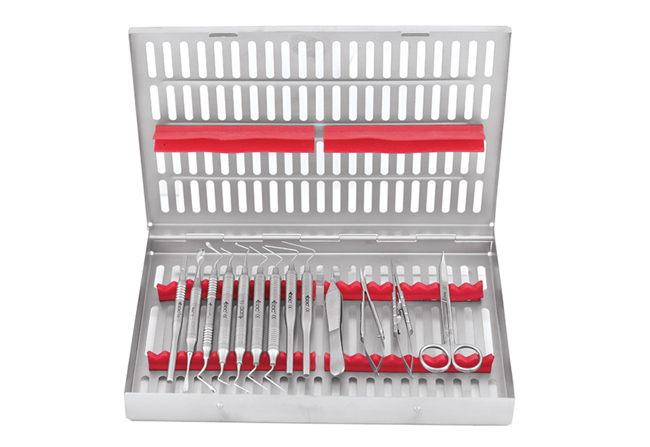
 ENDO SURGICAL WITH CASSETTE


Reviews
There are no reviews yet.