
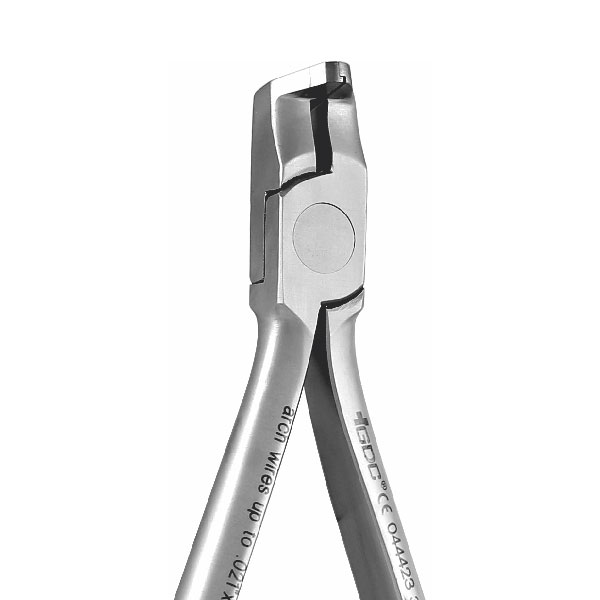
A distal end cutter is a specialized surgical instrument commonly used in the medical field, particularly in orthopedics and dental procedures. Its primary function is to cut and trim tissue or bone at the distal end (the farthest point from the body’s center) with precision, ensuring the procedure’s safety and effectiveness. This tool plays a vital role in ensuring that surgeons can operate efficiently, especially when access to a target area is limited.
Design and Function
A distal end cutter typically features a pair of sharp, durable jaws that can cut through hard and soft tissues. The instrument is designed to provide optimal control during delicate procedures. Its cutting edges are often made of stainless steel or other strong, corrosion-resistant materials, ensuring it can withstand repeated use while maintaining its sharpness. The handle of the cutter is ergonomically designed to provide a secure grip for the surgeon, reducing the risk of slipping or discomfort during the procedure.
The jaws of the distal end cutter are usually angled or specially shaped to facilitate precise cuts in areas that might be difficult to access with traditional cutting tools. In orthopedic surgery, for example, the distal end cutter might be used to trim bone fragments, while in dental procedures, it could be used to remove excess bone or tissue near the gumline.
Applications in Medicine
In orthopedic surgery, the distal end cutter is essential for procedures such as bone fixation, joint replacement, and fracture repair. Surgeons use it to trim and shape bones, ensuring they fit properly into place during the healing process. This is especially critical when dealing with fractures or other traumatic injuries where precision is paramount for recovery. The tool’s ability to reach into difficult-to-access areas, such as the distal ends of limbs, makes it indispensable in complex surgeries.
In dental surgery, the distal end cutter is often used in the removal of bone or tooth tissue. It is crucial in procedures like tooth extractions, implants, or when removing excess bone growth during orthodontic treatments. The cutter allows dentists to work efficiently and safely, reducing the risk of damage to surrounding tissue.
Benefits
The primary benefit of using a distal end cutter is the precision it offers. Surgeons can make clean, controlled cuts without causing damage to nearby structures. This reduces the risk of complications, speeds up recovery time, and improves the overall outcome of the surgery.
Another advantage is the versatility of the tool. Distal end cutters can be used in various fields, from orthopedics to dental care, making it an essential instrument in many medical practices. Furthermore, their design ensures they are easy to use, allowing for faster procedures with minimal discomfort for the patient.
Conclusion
In conclusion, the distal end cutter is an invaluable tool in modern surgery. Its precise cutting capabilities, ergonomic design, and versatility make it an essential instrument for medical professionals across various specialties. Whether used in bone, tissue, or dental procedures, it ensures that surgeons and dentists can perform with greater accuracy and safety, leading to better outcomes for their patients.


Reviews
There are no reviews yet.