
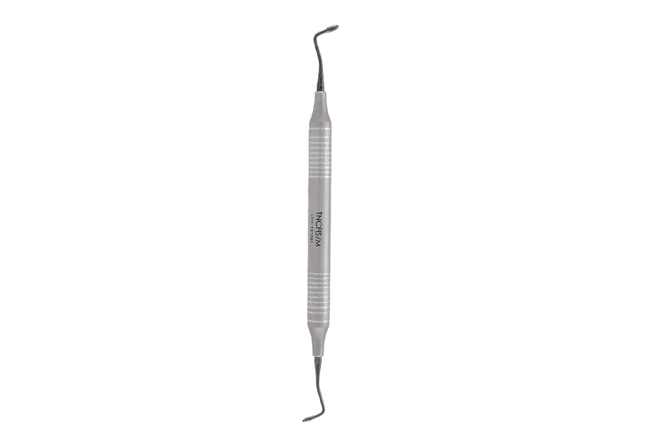
The term “Composite Instrument Posterior Black #TNCFIS/M” appears to refer to a specific medical device or tool used in dental or surgical procedures. However, this specific nomenclature doesn’t have widely known or standardized references, so it’s important to break down the components of the phrase to understand it better.
Composite Instruments in Medicine and Dentistry
A “composite instrument” typically refers to a tool designed for working with composite materials, which are substances made by combining two or more materials with different properties. In the dental field, composite instruments are essential for working with composite resins, which are used in fillings, restorations, and other dental procedures. These materials have the ability to mimic the appearance of natural teeth and offer durability, which is why they are favored in modern dental treatments.
In this case, the term “posterior” likely refers to the part of the body being treated—specifically, the posterior teeth, which are the back teeth, including molars and premolars. These teeth are primarily used for grinding and chewing food. Instruments used for posterior dental procedures must be designed to reach and manipulate these teeth effectively, ensuring precision and ease of use in a tight space.
Functionality of Composite Instruments
Composite instruments are crafted for specific tasks when working with composite materials. Some of their roles include:
- Shaping: Shaping the composite material before it hardens to ensure it fits properly within the cavity or the space being treated.
- Contouring: Contouring helps the material blend seamlessly with the natural tooth, ensuring both function and aesthetics are achieved.
- Carving: After applying the material, carving instruments are used to replicate the natural anatomical features of teeth, such as ridges and grooves.
The ability to handle these materials precisely is crucial for successful restorative dental procedures. This is why composite instruments are carefully designed with ergonomics and specific functional features to ensure they perform effectively during dental procedures.
The Specifics of #TNCFIS/M
The exact meaning of “#TNCFIS/M” remains unclear, but it likely refers to a model number, product code, or a specification identifier for the composite instrument. In the context of medical or dental tools, such designations are often used to differentiate between various types of instruments, sizes, or features that can be customized for different clinical needs.
It’s possible that #TNCFIS/M may represent a specific brand or product line of composite instruments with special properties or features aimed at posterior teeth. For example, it could be a particular design of composite instrument with a specialized handle for ergonomic comfort, or a specific type of working end designed for efficient manipulation of composite materials in posterior dental procedures.
Conclusion
The Composite Instrument Posterior Black #TNCFIS/M, while not widely recognized by its specific code in mainstream medical or dental references, likely refers to a specialized dental instrument used for working with composite resins in the posterior region of the mouth. These instruments are essential for the successful placement and shaping of restorative materials, ensuring the proper function and aesthetic of dental restorations. Understanding the features and functionalities of these instruments is crucial for dental professionals aiming to deliver high-quality care.


Reviews
There are no reviews yet.