Dental Care: The Importance of the C-Type Study Model
In modern dental practice, precision and patient-specific care are paramount. One of the tools that exemplify this approach is the C-Type Study Model, an innovative method for creating accurate dental representations. This model aids in diagnosis, treatment planning, and patient education, making it an essential part of comprehensive dental care.
What is the C-Type Study Model?
The C-Type Study Model is a precise replica of a patient’s dental arches, including teeth, gingiva, and other oral structures. Typically crafted from advanced materials like plaster, stone, or acrylic, these models are generated using impressions or digital scans of the patient’s oral cavity. They provide a three-dimensional view of the dental anatomy, facilitating better assessment and intervention planning.
Applications in Dental Care
Diagnostic Accuracy
The C-Type Study Model allows dentists to thoroughly analyze the alignment, spacing, and occlusion (bite) of teeth. By observing the model, practitioners can identify problems such as malocclusions, overcrowding, or gaps that might not be as apparent during an intraoral examination.
Treatment Planning
Dentists rely on these models to plan various treatments, including orthodontics, prosthodontics, and restorative procedures. For instance, in orthodontics, the model helps in designing braces or aligners by visualizing how teeth need to shift over time. In restorative dentistry, it aids in fabricating crowns, bridges, or dentures that fit seamlessly.
Patient Education
A C-Type Study Model serves as an excellent communication tool between dentists and patients. By physically showing patients a replica of their oral condition, practitioners can explain complex issues and outline the proposed treatment plan effectively. This visual aid enhances patient understanding and fosters trust.
Pre-Surgical Planning
For oral surgeries like dental implant placement or corrective jaw surgery, the study model provides a clear blueprint of the patient’s anatomy. This precision reduces the risk of complications and ensures better surgical outcomes.
Dental Record Keeping
The study model is an invaluable part of a patient’s dental records. It serves as a reference point for monitoring changes in oral health over time, especially in cases involving long-term treatments like orthodontics.
Benefits of the C-Type Study Model
Enhanced Precision: The meticulous design ensures an accurate representation of oral structures.
Improved Patient Outcomes: Tailored treatment plans lead to better results and higher patient satisfaction.
Cost-Effectiveness: Early and accurate diagnoses can prevent the need for costly, extensive treatments later.
Time-Saving: The model streamlines treatment planning, reducing time spent on adjustments or corrections.
Innovations in C-Type Models
With advancements in technology, the traditional approach to creating study models has been enhanced by digital methods. Digital impressions and 3D printing enable the creation of more accurate and durable models in a shorter time. These innovations not only improve efficiency but also reduce discomfort for patients during the impression process.
Conclusion
The C-Type Study Model is more than just a diagnostic tool; it’s a cornerstone of personalized dental care. By providing a clear, tangible representation of a patient’s oral condition, it enables dentists to offer precise, effective treatments. As technology continues to evolve, these models will play an even greater role in advancing dental care, ensuring healthier smiles for patients worldwide.
Investing in tools like the C-Type Study Model is not just a choice but a necessity for any dental practice aiming for excellence.
₹1,300.00Original price was: ₹1,300.00.₹975.00Current price is: ₹975.00.Add to cart
You may add any content here from XStore Control Panel->Sales booster->Request a quote->Ask a question notification
At sem a enim eu vulputate nullam convallis Iaculis vitae odio faucibus adipiscing urna.
Ask an expert
We use cookies to ensure that we give you the best experience on our website. If you continue to use this site we will assume that you are happy with it.


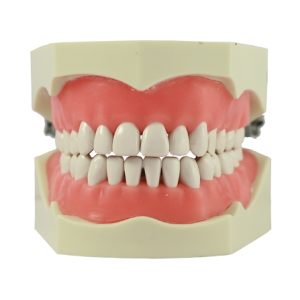 C-TYPE STUDY MODEL


Reviews
There are no reviews yet.