A bone graft carrier is a specialized medical device used in orthopedic and dental surgeries to transport, deliver, and place bone graft material at the site of a bone defect or injury. These devices play a crucial role in facilitating the healing of bones that require regeneration, typically after traumatic injuries, surgeries, or conditions that impair bone healing. Bone graft carriers are designed to provide support during the grafting process by securely containing the graft material and ensuring precise delivery to the intended location.
Bone grafts are commonly used in various clinical procedures, including spinal surgery, orthopedic procedures, and dental implants. The carrier device helps optimize the grafting process by addressing specific needs such as ease of application, stability, and effective handling of bone graft material. Bone grafts can either be autografts (from the patient’s own body), allografts (from a donor), xenografts (from another species), or synthetic materials, depending on the medical requirement.
The primary function of the bone graft carrier is to hold the graft material in place during surgery. This is critical because the graft material must be delivered to the exact location of the bone defect to promote bone healing and regeneration. The carrier ensures that the material does not fall out of place, get contaminated, or lose its structure before it is applied.
Bone graft carriers come in various designs, typically tailored to the type of surgery being performed. For example, in spinal surgery, the carrier may be designed to fit into the narrow spaces between vertebrae to facilitate the placement of bone graft material. In dental procedures, a more compact and precise design might be used to fill the gaps in the jawbone after tooth extraction or other bone loss situations.
In addition to holding the graft material, many bone graft carriers feature designs that allow for easy delivery. Some models include syringes or plunger mechanisms that allow for controlled and precise application of the bone graft material. These systems may also incorporate features such as adjustable volumes and shapes to accommodate different types and amounts of graft material, making them versatile for various procedures.
One of the important factors in selecting a bone graft carrier is its material and design. The carrier must be made from biocompatible materials that will not interfere with the healing process. It must also be durable and able to withstand the surgical environment. Often, materials such as stainless steel, medical-grade plastic, or even biodegradable polymers are used in the construction of bone graft carriers to ensure safety and efficacy.
In conclusion, bone graft carriers are essential tools in modern bone healing and regenerative medicine. They offer a precise and effective means to deliver bone grafts to areas in need of regeneration, ultimately helping to restore bone integrity and function. With continuous advancements in medical technology, the design and functionality of these carriers continue to evolve, offering even more reliable and efficient solutions for orthopedic and dental professionals.
₹1,300.00Original price was: ₹1,300.00.₹975.00Current price is: ₹975.00.Add to cart
You may add any content here from XStore Control Panel->Sales booster->Request a quote->Ask a question notification
At sem a enim eu vulputate nullam convallis Iaculis vitae odio faucibus adipiscing urna.
Ask an expert
We use cookies to ensure that we give you the best experience on our website. If you continue to use this site we will assume that you are happy with it.

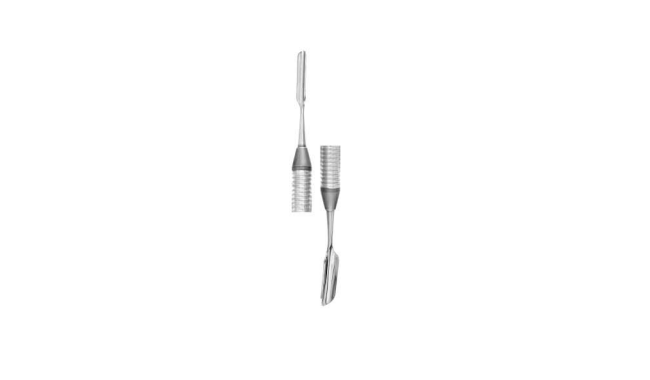
 BONE GRAFT CARRIER


Reviews
There are no reviews yet.