
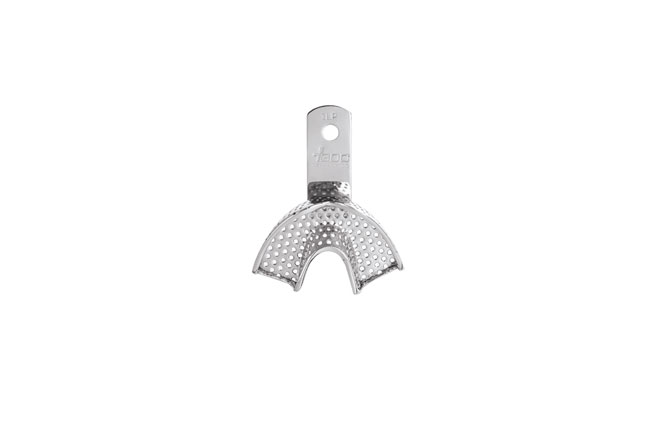
Understanding Anterior and Posterior DP Lower in Medical Imaging
In medical imaging, understanding body positioning and views is crucial for accurately diagnosing and evaluating conditions. One such set of terms, “Anterior and Posterior DP Lower,” may refer to the anatomical orientations and views used in radiographic procedures, particularly in the context of imaging the lower part of the body, such as the lower extremities or the pelvic region. The terms “anterior” and “posterior” are used to describe the front and back of the body, respectively, while “DP” is likely referring to a “direct posterior” or “dorsal position” often used in radiological contexts.
Anterior View
In anatomical terminology, “anterior” refers to the front of the body. When medical imaging is conducted with an anterior view, it typically means that the imaging device (such as an X-ray, MRI, or CT scan) is oriented to capture the front side of the lower body. This view might be used to assess conditions affecting the pelvis, femur, or lower spine, providing a clear look at any abnormalities, fractures, or joint issues from the front.
Posterior View
The “posterior” view, in contrast, refers to the back of the body. Imaging from a posterior perspective focuses on the rear side of the body. For the lower body, this view would capture the back of the pelvis, the sacrum, and the posterior aspects of the thighs and knees. The posterior view is particularly useful for evaluating injuries or diseases that affect the backside of the body, such as fractures, ligament injuries, or conditions like arthritis that may impact joint spaces.
DP (Direct Posterior) Lower View
“DP” often refers to “direct posterior,” which indicates a specific radiographic view where the body is positioned to allow for a clear image of the target area. A “DP lower” position would focus on imaging the lower body, taking advantage of both the anterior and posterior views to create a comprehensive evaluation. In some cases, this position may be used for assessing fractures, joint dislocations, or pathologies such as scoliosis or degenerative joint disease in the lower spine, pelvis, or legs.
Clinical Relevance
The combination of anterior and posterior DP lower views is important in a clinical setting, particularly when assessing injuries, deformities, or conditions affecting the lower limbs and pelvis. This dual view approach allows healthcare providers to evaluate both the front and back of the body, providing a more complete understanding of the patient’s condition. For instance, evaluating a hip fracture may require both anterior and posterior imaging to fully assess the extent of damage to the bone, surrounding tissues, and joints.
In conclusion, understanding the terms “Anterior and Posterior DP Lower” in the context of medical imaging is essential for accurate diagnosis and treatment planning. The anterior and posterior views give healthcare providers a comprehensive look at the lower body, allowing for thorough evaluation and effective management of injuries or diseases.


Reviews
There are no reviews yet.