
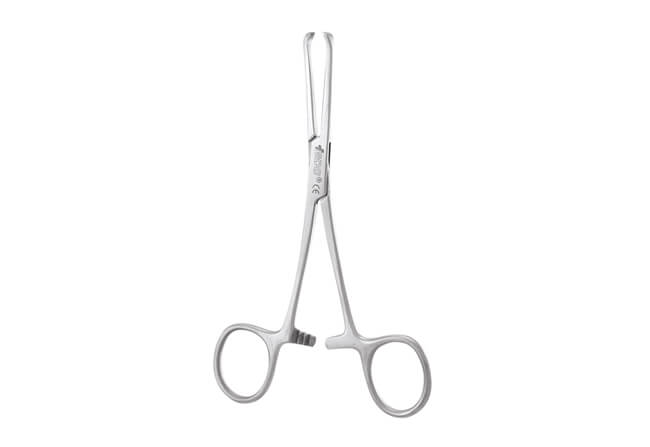
Allis Forceps: An Overview
Allis forceps are a type of surgical instrument commonly used in medical and veterinary procedures for grasping, holding, and retracting tissue. Named after Dr. Oscar Huntington Allis, an American surgeon who invented them, these forceps are particularly designed for handling tissues that need a firm grip without causing excessive trauma. The unique design and functionality of Allis forceps have made them an indispensable tool in surgical practice.
Design and Structure
Allis forceps are typically made of high-quality stainless steel to ensure durability, corrosion resistance, and easy sterilization. They are characterized by their scissor-like handles, which include a ratchet locking mechanism for maintaining a secure grip during procedures. The working end of the forceps features multiple teeth, commonly arranged in a 4×5 or 5×6 pattern, allowing them to grasp tissue firmly without slipping. Additionally, the jaws of Allis forceps are slightly curved to facilitate better maneuverability and access in confined surgical spaces.
Primary Uses
Allis forceps are primarily used in surgical procedures to hold or retract tissue. They are especially effective for grasping tougher or denser tissues, such as fascia, tendons, or intestinal walls. However, they are not typically used on delicate or vital structures, as their toothed design can cause tissue damage. In surgeries such as bowel resections, mastectomies, or gynecological procedures, Allis forceps provide a secure grip and allow surgeons to maintain control over tissue positioning.
Advantages of Allis Forceps
The key advantage of Allis forceps lies in their ability to securely grasp tissue without frequent readjustment. Their ratchet mechanism ensures that once locked, the forceps remain in place, reducing hand fatigue for the surgeon during lengthy procedures. Their ergonomic design also enables precision and control, which are crucial in delicate surgical environments.
Limitations and Precautions
While Allis forceps are highly effective, they are not suitable for use on fragile or highly vascularized tissues. Improper use can lead to tissue crushing or necrosis. Surgeons must carefully select the appropriate instrument based on the tissue type and surgical requirements.
Maintenance and Sterilization
Like all surgical instruments, proper cleaning and sterilization of Allis forceps are essential to prevent infections and ensure their longevity. They should be thoroughly cleaned after each use, removing all biological residues before being autoclaved.
Conclusion
Allis forceps remain a cornerstone in surgical practice due to their reliable design and functionality. Whether in general surgery, orthopedics, or gynecology, their ability to securely grasp and manipulate tissues makes them a valuable tool in the hands of skilled surgeons. Proper usage, maintenance, and an understanding of their limitations are essential for maximizing their effectiveness in surgical procedures.


Reviews
There are no reviews yet.