
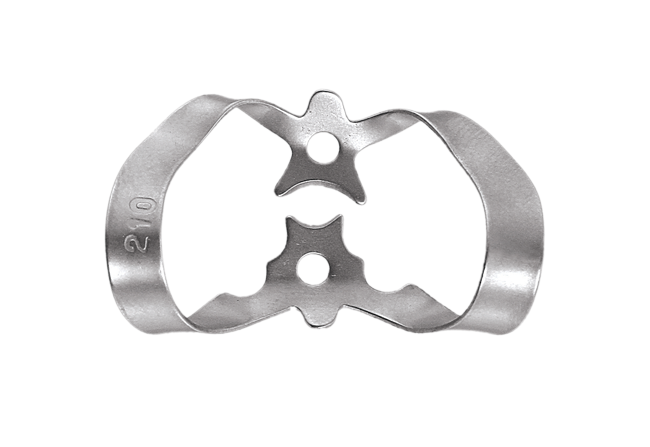
The Universal Double-Bowed Anterior Clamp is a specialized surgical instrument commonly used in various medical procedures, especially in the field of gynecology and obstetrics. This instrument plays a critical role in maintaining the stability of surgical sites by applying controlled pressure, offering a high degree of precision and reliability. Its design and function make it a versatile tool in surgical operations that require tissue manipulation and securement.
Design and Structure
The Universal Double-Bowed Anterior Clamp is characterized by its distinctive double-bowed shape, which consists of two curved, symmetrical arms. These arms are connected at one end by a hinge or joint mechanism, allowing them to open and close like a clamp. The two bows or arcs enable the instrument to grip tissues more effectively, especially in narrow or hard-to-reach areas. The clamp is typically made from stainless steel, ensuring both strength and durability while being resistant to corrosion or rust. Additionally, its lightweight construction ensures ease of handling and minimizes fatigue for the surgeon during prolonged procedures.
At the working ends of the clamp, there are often serrated jaws designed to increase the surface area for grip, helping to secure tissues without causing unnecessary damage. Some variations of this clamp may have additional mechanisms, such as locking devices, to hold the clamp in a fixed position once it has been applied.
Function and Use
The primary purpose of the Universal Double-Bowed Anterior Clamp is to provide a secure and stable hold on tissues during surgical procedures. It is commonly used in surgeries that require access to anterior parts of the body, such as in pelvic surgeries, where precise manipulation of tissues is required to prevent injury to surrounding organs.
In gynecological procedures, the clamp can be employed during surgeries involving the uterus, ovaries, and other reproductive organs. Its ability to apply gentle yet firm pressure makes it ideal for procedures such as hysterectomies, cesarean sections, or pelvic organ prolapse repairs. By keeping tissues in place, it allows the surgeon to perform intricate tasks with greater accuracy and without risking inadvertent movement that could disrupt the surgical site.
Another significant application is in abdominal surgeries, where the clamp helps to stabilize tissues for easier suturing or repositioning of organs. The double-bowed design allows the surgeon to adapt to varying anatomical conditions, offering flexibility in its use.
Advantages and Benefits
One of the key advantages of the Universal Double-Bowed Anterior Clamp is its versatility. Its design allows it to be used in a wide range of surgical procedures, making it an essential tool in many operating rooms. Moreover, the clamp’s ergonomic design ensures that the surgeon can apply sufficient force without causing strain on their hands, reducing the risk of fatigue during long operations.
The precise pressure control afforded by the clamp ensures that tissue is securely held without causing excessive trauma, which is particularly important in delicate surgeries. Its design also minimizes the risk of slippage, a common concern with other types of clamps, which can lead to accidental injury.
In addition, the clamp’s durability and resistance to corrosion ensure that it remains in optimal condition, even after multiple uses and sterilizations. This reliability reduces the need for frequent replacements, making it both a cost-effective and indispensable tool in the surgical setting.
Conclusion
In summary, the Universal Double-Bowed Anterior Clamp is a critical tool in modern surgical practice, offering a versatile, durable, and ergonomic solution for manipulating and stabilizing tissues during complex procedures. Its unique design and reliable performance make it an essential instrument in various fields, particularly gynecology, obstetrics, and abdominal surgeries. The clamp continues to play an important role in improving surgical outcomes by enhancing precision and reducing the risk of complications.


Reviews
There are no reviews yet.