A trephine kit is a specialized surgical instrument used in medical procedures, primarily for drilling small circular holes in bone or other dense tissues. This kit is commonly used in neurosurgery, orthopedics, and dentistry. The term “trephine” comes from the Greek word “triphine,” meaning “to bore” or “to drill,” and the device has been in use for centuries, evolving in design and function over time.
Historical Background
The trephine dates back to ancient civilizations. Evidence of its use has been found in archeological sites, such as skulls showing signs of trepanation (the removal of a circular piece of the skull). Early forms of trephines were crude, often made from flint, and were used in primitive medical procedures aimed at relieving pressure on the brain or treating head injuries. Over the centuries, as medical knowledge advanced, trephines became more sophisticated and were made from metals such as steel, improving their precision and safety.
Components of a Trephine Kit
A modern trephine kit typically consists of several components that work together to perform a precise and controlled procedure. Some of the key components include:
- Trephine Handle: The handle is the part of the kit that the surgeon holds. It is ergonomically designed to provide a secure and comfortable grip while performing the procedure. The handle can be either manual or powered, depending on the complexity of the surgery.
- Trephine Bit or Cutter: This is the cutting part of the trephine, which is attached to the handle. The bit is cylindrical in shape and features sharp, cutting edges that allow it to bore through bone or tissue. The size and design of the bit may vary depending on the specific procedure being performed.
- Drill Guides and Depth Gauges: To ensure precision, trephine kits often come with drill guides and depth gauges. These tools help the surgeon control the depth of the cut and prevent accidental penetration beyond the intended target.
- Surgical Blades or Saw Blades: Some trephine kits also include surgical blades or saw blades for cutting through tough tissues. These are typically used for procedures involving the bone, where precise, controlled cuts are necessary.
- Tissue Retractors: These are used to hold back surrounding tissues to give the surgeon better access to the target area. Retractors are essential for creating a clear surgical field.
- Collection Containers: In some procedures, the trephine removes a sample of bone or tissue. The kit may include a container to collect this tissue for analysis or disposal.
Applications in Modern Medicine
Trephine kits have various uses in contemporary medicine. In neurosurgery, they are commonly used for procedures like craniotomies, where a portion of the skull is removed to access the brain. In orthopedic surgery, they are used to perform bone biopsies or to harvest bone grafts. In dentistry, trephines may be employed to remove portions of bone during implant procedures or to treat certain jawbone conditions.
Overall, the trephine kit is a crucial part of the medical toolkit for performing delicate and specialized procedures that require precision and care.

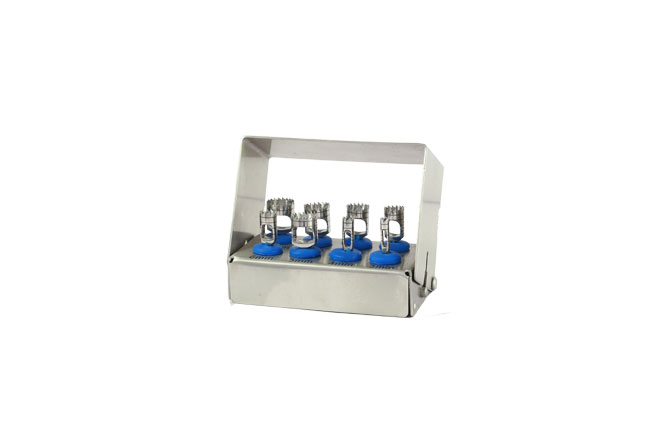
 TREPHINE KIT


Reviews
There are no reviews yet.