A torquing plier with key is a specialized tool designed for applying precise amounts of torque to fasteners, ensuring they are tightened to the desired specifications. This tool is commonly used in industries where accuracy is paramount, such as automotive, aerospace, manufacturing, and construction. The pliers are equipped with a mechanism to control and limit the amount of torque being applied, helping prevent over-tightening or under-tightening of bolts, nuts, and screws.
Design and Functionality
The primary feature of a torquing plier with key is the adjustable torque setting. The “key” in this context usually refers to a built-in mechanism or an external key that allows the user to adjust the torque level according to the specific requirements of the task at hand. This key mechanism often includes a scale or digital interface to help the user easily set the correct torque value. Some models also include a torque limiter, which ensures that once the set torque is reached, the pliers will slip or release, signaling that the correct amount of force has been applied.
This design helps to improve precision in fastening tasks and reduces the risk of damaging components due to incorrect torque. It is especially important when working with sensitive materials or precision machinery that could be adversely affected by too much force.
Applications
Torquing pliers with keys are essential in environments where consistency and precision are crucial. For example, in the automotive industry, when assembling engines or chassis, correct torque specifications are critical for ensuring the safety and performance of the vehicle. Tightening a bolt or screw too tightly can lead to thread stripping, material fatigue, or misalignment, while too little torque can result in loose connections that could fail during operation.
Similarly, in the construction and manufacturing industries, torque tools are essential for achieving the appropriate tightness in fasteners, whether on structural steel, heavy equipment, or machinery. By using torquing pliers with keys, workers can achieve uniform and reliable results, improving the overall quality of their work and reducing the likelihood of errors that could lead to costly repairs or safety hazards.
Benefits
One of the key benefits of using torquing pliers with a key is the enhanced control over the torque applied. This reduces the reliance on manual force, making it easier for operators to achieve the correct tension without needing to be overly cautious. Moreover, the tool’s design minimizes fatigue, as users can focus on the precision of the task rather than exerting excess physical effort.
Furthermore, these tools often have ergonomic handles, making them more comfortable to use for extended periods. They are compact and lightweight, adding to the ease of handling and portability.
Conclusion
Torquing pliers with key are indispensable tools for ensuring the proper application of torque in various industries. By providing precise control and reducing human error, they contribute to safer, more efficient operations, whether in automotive repair, construction, or high-precision assembly. These tools are an essential part of any toolkit, providing both reliability and accuracy for professional and industrial applications.


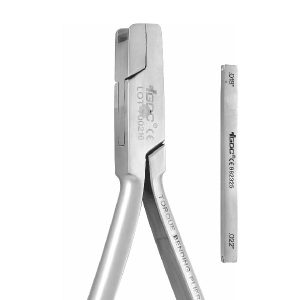 TORQUING PLIER WITH KEY


Reviews
There are no reviews yet.