
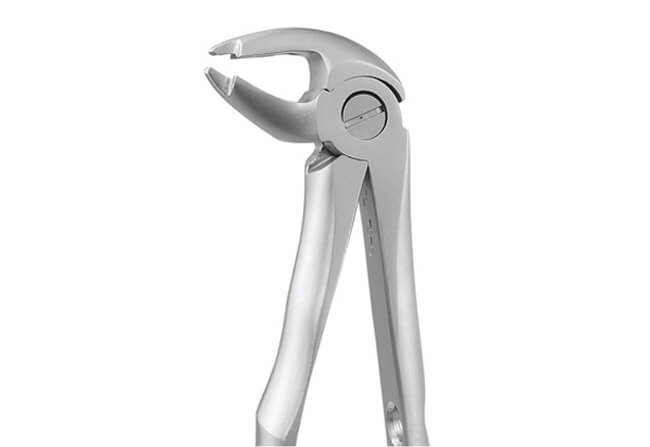
Understanding the Dental Product: LOWER PREMOLAR
The lower premolars are essential teeth in the human dentition, located between the canines and molars in the mandibular (lower) arch. They are part of the dental anatomy designed to handle multiple chewing and grinding functions, contributing significantly to oral health and efficiency in food processing. In humans, there are two premolars on each side of the lower jaw, making a total of four in the mandibular arch.
Anatomy and Function
Lower premolars, also referred to as bicuspids, possess distinct features that set them apart from other teeth. The first lower premolar has a sharper, more pronounced cusp that aids in tearing food, while the second premolar has a broader occlusal surface designed for grinding. These teeth play a transitional role between the tearing functions of canines and the grinding functions of molars, ensuring a seamless process of mastication.
The primary role of lower premolars is to break down food into smaller particles, facilitating better digestion. They also maintain the vertical dimension of the face and support the cheeks, enhancing overall facial aesthetics. Lower premolars play a key role in maintaining proper alignment of adjacent teeth, helping to prevent malocclusion.
Dental Products for Lower Premolars
In the realm of dental care and restoration, products designed for the lower premolars are crucial. These include dental crowns, implants, and orthodontic appliances, each catering to specific dental health needs.
1. Dental Crowns
Dental crowns are custom-made caps that cover a damaged or decayed premolar, restoring its shape, size, and function. They are typically made from materials such as porcelain, ceramic, or metal. For lower premolars, crowns provide durability and a natural appearance, enabling patients to chew comfortably.
2. Dental Implants
For patients who have lost a lower premolar, dental implants offer a permanent solution. Implants involve placing a titanium post into the jawbone, which acts as a root for the artificial tooth. This option is ideal for restoring both aesthetics and function, ensuring no gap in the dental arch and maintaining the integrity of surrounding teeth.
3. Orthodontic Appliances
Lower premolars often require orthodontic attention during treatments such as braces or aligners. These teeth are pivotal in achieving proper bite alignment. Brackets are placed on lower premolars to guide their movement and correct spacing, ensuring an even and functional bite.
Common Issues and Solutions
Lower premolars are susceptible to certain dental problems, including cavities, fractures, and wear due to their active role in chewing. Preventive care, such as regular brushing, flossing, and dental check-ups, is vital to maintaining their health.
Additionally, lower premolars may occasionally be extracted during orthodontic treatments to create space in cases of crowding. Post-extraction, prosthetics or orthodontic solutions ensure that oral functionality and aesthetics are maintained.
Innovations in Dental Products
Modern advancements in dental technology have enhanced the quality and efficiency of products for lower premolars. CAD/CAM systems now allow for the precise fabrication of crowns and restorations, while digital imaging aids in accurate diagnosis and treatment planning.
Conclusion
The lower premolars are indispensable in dental health and overall oral functionality. From their structural role in chewing to their impact on facial aesthetics, these teeth require proper care and, when necessary, effective restorative solutions. Dental products tailored to lower premolars ensure patients retain the ability to chew effectively and maintain a confident smile.


Reviews
There are no reviews yet.