Interproximal Off-Angle: Definition and Clinical Significance
The term “interproximal off-angle” refers to a specific deviation or misalignment in the positioning of teeth, particularly in the interproximal areas, which are the regions between two adjacent teeth. These misalignments occur when the surfaces of the teeth that are supposed to meet at a particular angle deviate from the ideal alignment, leading to an altered bite relationship. This condition can be caused by a variety of factors, such as developmental abnormalities, trauma, or as a result of orthodontic treatments. Understanding the concept of interproximal off-angle is important in both diagnosis and treatment planning for dental professionals.
Anatomy of the Interproximal Region
To understand interproximal off-angle, it is important to first review the anatomy of the interproximal region. The interproximal space is the area between adjacent teeth, which is bounded by the contact points and the adjacent tooth surfaces. These spaces are integral for proper dental function and aesthetics. Ideally, the interproximal spaces should be aligned in a way that allows teeth to make smooth contact with each other, facilitating efficient chewing and preventing excessive wear. When the angle between these contact surfaces is misaligned, it can lead to various dental issues.
Causes of Interproximal Off-Angle
Several factors can contribute to the development of an interproximal off-angle:
- Tooth Eruption Patterns: Misalignment can result from an abnormal eruption of teeth, where they do not emerge in their correct anatomical position.
- Trauma or Injury: Any trauma to the jaw or teeth can result in displacement, causing teeth to shift and misalign, including in the interproximal areas.
- Orthodontic Treatment: In some cases, orthodontic treatments aimed at straightening teeth may inadvertently lead to slight interproximal off-angles, especially if adjustments aren’t precise.
- Congenital Abnormalities: Some individuals may have naturally occurring deviations in tooth alignment that lead to off-angle contacts between adjacent teeth.
Clinical Impact
The clinical implications of interproximal off-angle can vary depending on the severity of the misalignment. In mild cases, the condition may not cause significant functional or aesthetic problems. However, when the off-angle is pronounced, it can lead to several issues:
- Chewing Dysfunction: Teeth that are misaligned in the interproximal region may not come together properly, leading to difficulties with chewing or discomfort while eating.
- Excessive Wear: When teeth are out of alignment, they may experience uneven forces during chewing, leading to excessive wear or even damage to the enamel.
- Gum Recession or Irritation: Misalignment can cause improper contact between adjacent teeth, which might lead to areas of the gums being irritated or even receding over time.
- Aesthetic Concerns: Off-angled teeth, particularly in visible areas, may impact the appearance of the smile and contribute to self-esteem issues.
Treatment Options
Addressing interproximal off-angle typically involves orthodontic interventions. Depending on the severity, treatments may include:
- Braces: Traditional or clear braces can be used to gradually reposition teeth into proper alignment.
- Aligners: Clear aligners like Invisalign may offer a less noticeable treatment option for minor off-angles.
- Veneers or Bonding: In some cases, dental veneers or bonding may be applied to correct minor off-angle issues and improve aesthetics.
In conclusion, interproximal off-angle is a dental concern that can range from mild to severe in its impact. Proper diagnosis and treatment are crucial to restoring optimal dental function and aesthetics. Through careful planning and a combination of orthodontic and restorative techniques, dental professionals can effectively manage this condition and improve the quality of life for affected patients.

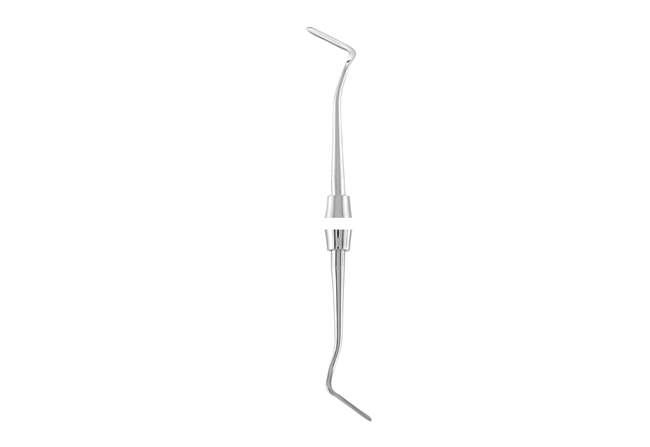
 INTERPOXIMAL OFF-ANGLE


Reviews
There are no reviews yet.