Impression Trays Half Small: Essential Tools for Dental Impressions
Impression trays are an indispensable tool in dentistry, primarily used for taking impressions of the oral cavity. These trays play a critical role in creating molds of teeth and soft tissues for diagnostic, restorative, and orthodontic purposes. Among the various types of impression trays available, half-small impression trays offer specific advantages for certain dental procedures. These trays are typically used for patients with smaller mouths or for localized impressions, making them essential for achieving accurate and comfortable impressions.
What are Half Small Impression Trays?
As the name suggests, half-small impression trays are smaller versions of standard impression trays, covering only a part of the dental arch. They are designed to fit the upper or lower arch of patients who require a more compact tray due to a smaller oral cavity or when only partial impressions of the teeth or gums are needed. These trays are used to capture more precise impressions of specific areas, such as individual teeth or localized parts of the mouth. They can be used for a wide variety of applications, including crowns, bridges, partial dentures, and other dental appliances that require a more detailed fit.
Material and Design
Impression trays, including half-small versions, are typically made from durable materials such as stainless steel, plastic, or thermoplastic materials. The material choice depends on the type of impression material being used and the procedure for which the tray is intended. Stainless steel trays are often preferred for their sturdiness and longevity, whereas plastic trays are disposable, providing a more hygienic option for single-use situations.
The design of half-small impression trays ensures that they can comfortably fit smaller mouths without causing discomfort to the patient. They are often contoured to the shape of the dental arch, offering better adaptation to the teeth and gums, which helps in capturing detailed impressions. Additionally, these trays have perforations that allow for a more effective bonding of the impression material to the tray, ensuring a clear and precise transfer of details from the oral cavity to the mold.
Applications of Half Small Impression Trays
The half-small impression tray is primarily used in cases where a full dental arch tray would be too large or uncomfortable for the patient. For instance, pediatric patients or individuals with smaller oral cavities can benefit from the more compact size of these trays. They are also commonly used for impressions that focus on specific regions, such as partial impressions for partial dentures or crowns. The smaller tray allows the dentist to take more accurate impressions of the targeted areas without the risk of excess material spilling into other regions of the mouth.
Moreover, half-small trays are useful in specialized dental procedures where only a portion of the arch needs to be recorded, such as in cases of single-tooth restorations or diagnostic procedures. Their design ensures that the material used for the impression stays in place, providing a stable base for creating dental molds.
Advantages of Half Small Impression Trays
One of the main benefits of half-small impression trays is their comfort. Smaller trays are less likely to cause gag reflexes, a common issue when taking impressions with larger trays. They also offer a more precise fit, allowing the dentist to capture the fine details necessary for creating accurate dental restorations. Additionally, their compact size makes them more manageable for both the dental professional and the patient, reducing the overall time required for the impression process.
In conclusion, half-small impression trays are an essential tool in modern dentistry. Their precision, comfort, and versatility make them invaluable for a variety of procedures that require partial impressions. Whether used in pediatric dentistry, restorative work, or other specialized dental treatments, these trays ensure that dental professionals can achieve the highest level of accuracy and patient satisfaction.


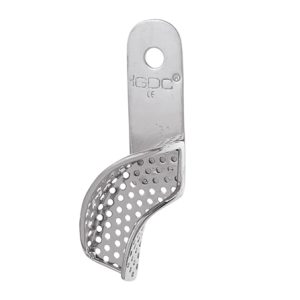 IMPRESSION TRAYS HALF SMALL


Reviews
There are no reviews yet.