A bone scraper blade straight is a specialized surgical tool commonly used in orthopedics and other medical fields to scrape or smooth bone surfaces during procedures. The design of this tool is essential for providing precision and control during surgeries that require bone manipulation. Typically made from high-quality stainless steel or similar materials, the blade of the scraper is carefully crafted to ensure durability and sharpness. The straight design of the blade allows for a clean, controlled motion, making it effective in a variety of surgical settings.
The straight bone scraper blade is designed with a flat, elongated shape that makes it ideal for scraping off the surface of bones, particularly in procedures involving joint replacements, bone grafts, or reconstructive surgeries. It is used to remove irregularities or damaged tissue from the bone surface, allowing for smoother and more accurate results. This function is critical when performing surgeries that require an even surface for implantation of prosthetic devices or grafts.
In orthopedic surgeries, bone scraper blades are frequently employed in procedures like spinal surgeries, joint replacements, and trauma surgeries, where the surgeon needs to ensure that the bone surfaces are even and free of debris. The straight blade is especially useful in these settings because it allows the surgeon to work with a high degree of precision, minimizing the risk of damage to surrounding tissues or nerves.
The blade’s straight design provides several advantages. For one, it helps reduce the risk of causing unnecessary curvature or grooves in the bone. In addition, it ensures that the surgeon can apply uniform pressure across the surface being scraped, which is important for creating a consistent bone surface. The straight edge also provides greater control in delicate surgical environments where small adjustments can make a significant difference in the outcome.
Straight bone scraper blades can vary in size and shape depending on the specific needs of the surgery. Smaller blades may be used for delicate procedures, while larger blades might be employed for more extensive operations. Some bone scraper blades are also equipped with a handle designed for ergonomic comfort, providing the surgeon with the necessary grip to maintain control during the procedure.
Beyond orthopedic applications, straight bone scraper blades may also be used in archaeological or forensic contexts, where they can aid in the removal of dirt, debris, or other materials from bone fragments for analysis. This versatility in usage further demonstrates the utility of these tools in specialized tasks that require precision scraping.
In conclusion, the straight bone scraper blade is a fundamental tool in both medical and non-medical fields. Its precision, durability, and versatility make it an indispensable instrument for performing delicate and complex procedures that involve the manipulation of bone. Whether used in surgery or forensic analysis, its design plays a key role in ensuring the safety and success of the task at hand.

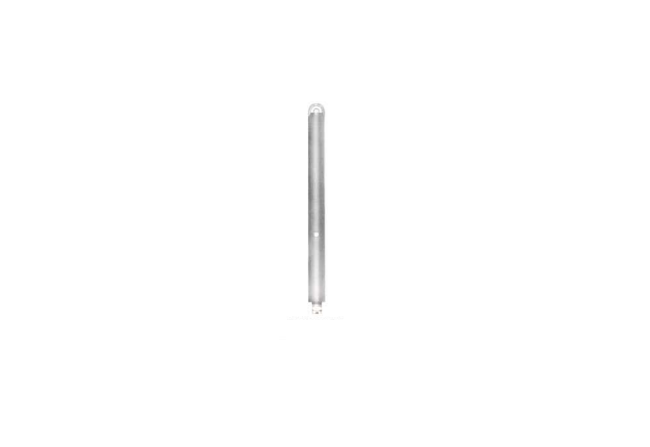
 BONE SCRAPER BLADE STRAIGHT


Reviews
There are no reviews yet.