
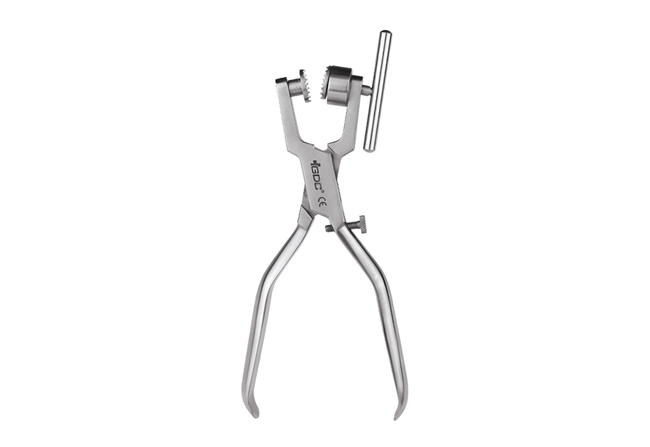
A bone mill is a mechanical device used in various medical, dental, and veterinary applications to grind or process bone tissue into smaller fragments or particles. This process is essential for creating bone grafts, producing bone chips, or preparing bone material for implantation in surgical procedures. The device plays a significant role in orthopedic surgeries, dental implants, and reconstructive surgery, where bone tissue is needed to fill defects, facilitate healing, or promote bone growth.
In the medical and orthopedic field, bone mills are used to process autografts (bone harvested from the patient’s body) or allografts (bone from a donor). The goal is to reduce larger pieces of bone into fine fragments or particles that can be used to promote healing in areas where bone has been lost due to trauma, disease, or surgery. These smaller bone fragments are more versatile and easier to handle during surgery, allowing surgeons to fill gaps and defects with ease. Bone grafts are often necessary for procedures such as spinal fusion, joint replacement, and trauma reconstruction.
Dental bone mills are a specialized version of the device used to process bone for dental implants. In dental implant surgery, bone material is frequently needed to augment areas with insufficient bone mass, such as after tooth extraction or in patients with bone resorption. A bone mill in the dental field is used to create bone particles from harvested tissue, which can then be applied as a graft to the implant site. This can help improve the chances of successful osseointegration, where the implant fuses with the bone tissue.
Bone mills work through a variety of mechanisms depending on the specific model and its application. Most modern devices feature rotating blades or rotary cutters that grind the bone material into smaller fragments. Some systems are manual, where the surgeon or technician manually feeds bone into the mill, while others are powered by motors to automate the grinding process. Additionally, some bone mills feature adjustable settings to control the particle size of the bone fragments. This feature ensures the bone graft material is customized to suit the specific needs of the surgery or implant procedure.
In veterinary medicine, bone mills are used in similar ways to prepare bone grafts for animals undergoing orthopedic procedures. This can include the treatment of fractures, joint replacement surgeries, or the correction of congenital bone defects.
Overall, the bone mill is an essential tool in modern surgical practices. Its ability to efficiently and precisely process bone tissue improves the success of surgeries that require bone grafting, leading to better patient outcomes, quicker recovery times, and improved healing.


Reviews
There are no reviews yet.